


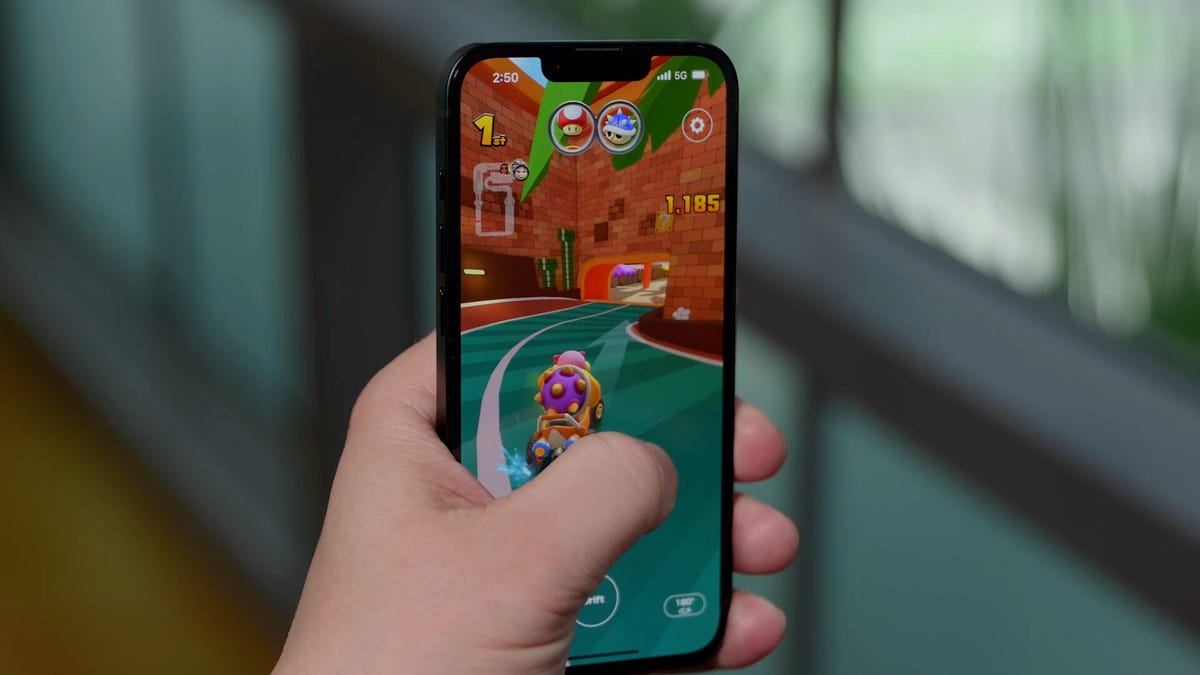
A year ago, Apple unveiled the iPhone 16E, which replaced the iPhone SE as the most “affordable” handset in the company’s lineup, incorporating some (but not all) of the features of the iPhone 16 series at a slight discount. If you’re looking for a cheaper iPhone with enough bells and whistles, the iPhone 16E is still good — but don’t buy one right now.
That’s because a new version, the iPhone 17E, could be right around the corner — as early as next month, according to rumors. Since the iPhone 16E was such an oddball compromise, it’s worth waiting to learn which features Apple will include (and remove) to keep it as the low-cost iPhone option.
As the price of new iPhones crept up over the years, culminating in the $829 iPhone 17 (not including the pricier Air, Pro and Pro Max models), the humble iPhone SE remained an affordable option; its final update in 2022 left the price at $429. Despite having a small 4.7-inch display framed between thick top-and-bottom bezels that first debuted on the iPhone 6, the handset’s modern internal hardware meant it could keep up with the latest apps.
The iPhone 16E was a redesigned upgrade with a 6.1-inch screen stretching over the entire front of the phone and enough RAM to run Apple Intelligence. But these upgrades pushed the price up to $600. Yet Apple left out several popular perks that appeared in its pricier iPhone 16 sibling at the time, like an ultrawide or telephoto camera; the 16E has only a single 48-megapixel shooter. It also lacks MagSafe and wirelessly charges at the slow 7.5-watt Qi standard. Its USB-C 2.0 port charges at a low 20 watts.
It was clear that Apple left out some neat features to keep the price lower — or to look at it another way, justify why the standard iPhone 16 was $200 pricier, the same cost as the current iPhone 17.
But that might not be the case with the rumored iPhone 17E. It’s possible that Apple could be more generous with the second generation of its modern “budget” phone. For instance, Apple chose to stick with a camera similar to the iPhone 16E’s 48-megapixel one in the costlier iPhone Air, but that model is constrained by the slim space inside the body; an iPhone 17E wouldn’t need to make that compromise and could share the same two cameras (wide and ultrawide) found on the iPhone 17. It helps that Apple manufactures and sells so many iPhone 17 models that it could be financially better for them to share common components between the iPhone 17 and iPhone 17E.
Still, the limitations of the iPhone 16E show that Apple will strip back features and keep the price of its entry-level iPhone low. Even if you’re skeptical about Apple introducing new features in the iPhone 17E, it’s worth waiting a month or two until its rumored launch to know for sure.
And if you’re not impressed with Apple’s new device when it does arrive, and decide to pick up the iPhone 16E anyway, you’ll still want to wait: the company regularly discounts older iPhones (and refurbished models) once they’ve been superseded by newer models. Even if Apple chooses to fully replace the iPhone 16E in its lineup and stops selling it, third-party retailers will continue to stock it and will likely drop its price to clear inventory.
So if you can stand to wait for the iPhone 17E’s debut, you should try to tough it out for the next month or so. You’ll either save money or make a more informed purchase, both of which are shrewd reasons to stay patient.
Read the full article here