


I’ve cooked professionally in enough private clients’ kitchens to know two things with certainty: (1) most people don’t hate cooking; they hate decision-making; and (2) nothing derails a healthy routine faster than coming home hungry with no plan, no groceries, no willpower.
Meal delivery services solve both problems. They remove the cognitive load, which for many of us is half the battle, and the good ones turn into something you look forward to.
Over the past few years, between private-chef work, writing commerce reviews, and simply trying to keep myself fed through periods of burnout, I’ve tested more meal delivery services than I can count. Some were forgettable. Some were brilliant. A few were so good they made me question why I ever insisted on doing everything myself.
best meal delivery services
The range of services available today is what surprised me the most during this process. Yes, there are meal kits designed for beginners, but there are also kits with instructional levels more suited to higher levels of experience. You can now find prepared meals made by award-winning chefs, and vegan comfort food can actually rival non-vegan versions.
Whether you want to lose decision fatigue, cook more at home, or eliminate that 5 p.m. panic-scan of your fridge, the right service will change your entire week.
Click to skip to our list of winners, or jump directly to a meal delivery service review:
Purple Carrot | Home Chef | Green Chef | HelloFresh | EveryPlate | Thistle | Daily Harvest | ButcherBox
First, what is a meal delivery service?
The category of “meal delivery service” has exploded so impressively in recent years that it now encompasses several different formats.
Meal kits (like HelloFresh or Blue Apron) send pre-portioned ingredients with a step-by-step recipe. You still cook; they just eliminate the planning, shopping, and measuring. These are great for building confidence in the kitchen or getting out of a recipe rut.
Prepared meal services (like Factor and CookUnity) send fully cooked meals that you heat and eat. They’re ideal if you want convenience without sacrificing nutrition or flavor. Many are designed by chefs or dietitians, and some focus on specific goals, such as counting macros, plant-based eating or fitness performance.
Hybrid and specialty services (like Purple Carrot, Daily Harvest, or Thistle) focus on specific dietary styles, cuisines, or nutritional philosophies more than any one meal delivery format. These can be vegan, plant-forward, high-protein, or functional-food focused. They can also offer meal kits, prepared meals, prepared single dishes, and even grocery or pantry items.
No matter which format you choose, the core promise is the same: meals at home in less time with fewer decisions…and far fewer “DoorDash again?” moments.
Best Meal Delivery Services
Pros:
- Inventive global flavors
- Big portions
- Very fresh produce
- Teaches cooking technique
- The top choice for vegans and vegetarians
Cons:
- Not ideal for picky eaters
Purple Carrot is my personal favorite…and I’m not even vegan (anymore). If you want to eat more vegetables but refuse to be bored in the process, this is the brand I would recommend every time. It understands vegetables better than many professional chefs I’ve worked with. Instead of trying to mimic meat or replace dairy, Purple Carrot leans into the beauty of plant-based cooking: layered textures, bold spices, and sauces that actually serve the dish rather than cover it up.
The West African Peanut Stew was the best stew I’ve ever made from a kit. It was silky, spicy, rich, and filling in that “hug in a bowl” way — oh, and it took all of 15 minutes to make. And it wasn’t because everything was pre-made, but because Purple Carrot finds inspiration in real homecooking from deeply cultural cuisines around the world. After all, the best kitchen hacks are the ones your great-grandmother probably came up with as solutions during tough times.
The Pesto Cavatappi introduced a new way of prepping pasta to me, with bright herbs and toasted nuts added separately. The textural experience was unbelievable. And the Dan Dan Noodles? Deeply savory, slightly reverent, supremely comforting. Purple Carrot was the one brand where every single tested meal impressed me equally.
The recipes are vibrant, flavor-forward, and rooted in real culinary know-how. What is more, Purple Carrot doesn’t coddle you; it teaches you. And honestly, that’s probably why it stands out to me the most. I walked away after every meal a better cook.
And it’s not just the meal kits. Purple Carrot has quietly built one of the most expansive plant-based delivery ecosystems I’ve seen so far. In one delivery, I stocked my fridge with meal kits and prepared dishes, loaded my pantry with snacks and breakfast essentials, and even got to try new things like Pistachio Milk, which immediately became a new obsession.
Example meals
- Lentil Curry Bowls
- Cashew Stir-Fry
- Roasted Vegetable Gnocchi
- Mushroom Bolognese
- Spicy Mapo Tofu
Type: Meal kit | Cost per serving: $11–$13 | Best for: Vegetarians, vegans, and flavor hunters
Best Gourmet Meal Kit: Home Chef
Pros:
- Restaurant-level flavors
- Filling portion sizes
- Gordon Ramsay collab meals are legitimately excellent
- Accessible for beginners, still rewarding for confident cooks
- Fast, low-stress prep
Cons:
- Packaging is bulky (but everything is recyclable)
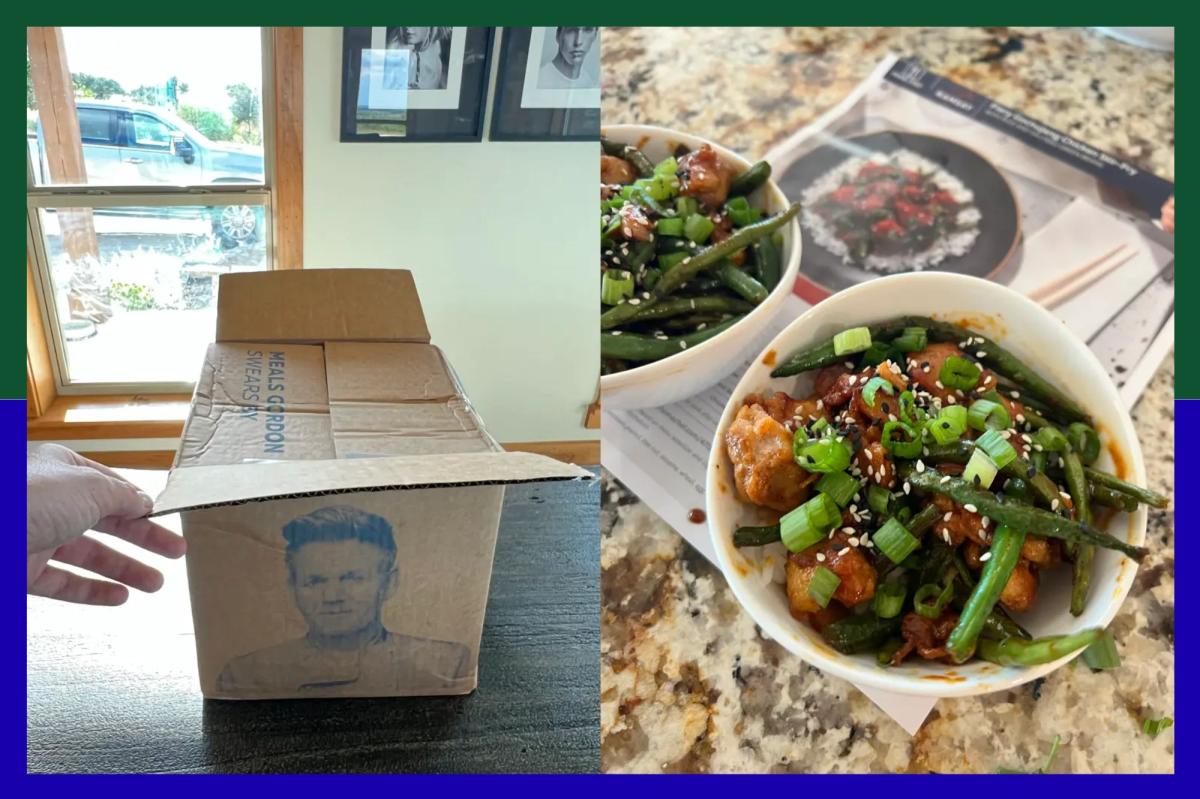
Home Chef feels like the bridge between “I want a meal kit” and “I’d like to actually learn something while cooking dinner.” The recipes are structured in a way that nudges you into better habits, from proper seasoning to good searing and thoughtful pan sauces. And since they recently partnered with Gordon Ramsay, the dishes have even sharper edges: deeper flavor, more technique, more confidence.
Everything arrives in shockingly good condition, with cold packs that haven’t given up (even after waiting hours for me in the Texas sun) and produce that looks like it was harvested the same day. The recipes are doable on a weeknight but still interesting enough to make you feel creative. Oh, and the portion sizes are actually for adults. You’re not left wondering if you should eat a yogurt afterward just to feel something.
Gordon Ramsay’s Fiery Gochujang Chicken Stir-fry wasn’t the first Home Chef meal I made, but it was my first foray into the brand’s partnership with the renowned chef. Frankly, I was curious to see if the partnership was decorative or the real deal.
I split the two-person meal kit into three slightly smaller portions as a snack for my family, and it immediately became something we had to have again. It was genuinely fiery, deliciously sticky, and wonderfully balanced — exactly the kind of flavor-forward dish that feels like takeout without the associated regret.
I also tried the Sheet Pan Herby Salmon, a classic Home Chef dish. It was simple, aromatic, and (the best part) extremely hard to mess up, even if you’re distracted or cooking at 9 p.m. The Creamed Spinach Chicken was a total sleeper hit — rich but not heavy, straightforward but absolutely not boring. All three meals told me the same thing: this brand has figured out how to feed the masses without leaning on cliches.
Example meals:
- Korean Fried Chicken Tacos
- Garlic & Herb Steak with Potatoes
- Pesto Tortelloni Bake
- Gordon Ramsay Tikka Masala
- Honey Butter Shrimp
Type: Meal kit | Cost per serving: $9–$12 | Best for: Food lovers who want to cook without stress
Best Weeknight Meal Kit: HelloFresh
Pros:
- Beginner-proof
- Massive weekly variety
- Clear, easy instructions
- Quick cook times
- Family-friendly flavors
Cons:
- Lots of small packaging
- Not great for strict dietary needs
HelloFresh is the gateway drug of meal kits, and many people stick with it because it’s dependable, approachable, and highly weeknight-friendly. The recipes are streamlined but flavorful, the packaging is intuitive, and even if you’ve never diced an onion in your life, you’ll get through a HelloFresh meal without a shred of existential dread. It’s the most “everyday life”-friendly service on this list.
The brand excels at variety without doing too much. From Mediterranean bowls one week to cozy skillet pastas the next, and maybe a fun taco situation in between, HelloFresh doesn’t leave you bored. Their pantry-based flavor hacks (paprika, stock concentrates, Dijon, cream cheese) make fast meals taste developed, and as someone who cooks and tests products constantly, I appreciate any service that respects its users’ time.
The Creamy Chicken Sausage & Tortellini Soup was an instant keeper for me. It was cozy, filling, and exactly the kind of thing I never think to make for myself but always want once it’s in front of me. The chicken sausage added depth without heaviness, and the tortellini cooked perfectly in the broth, which I respect deeply because bad pasta texture isn’t anyone’s thing. There were other HelloFresh meals floating around my testing rotation, but this one was a star: quick, comforting, and surprisingly elegant.
Example meals
- Firecracker Meatballs
- Lemon Dill Salmon
- Pork Bulgogi Bowls
- Creamy Mushroom Cavatappi
- Thai Ginger Curry
Type: Meal kit | Cost per serving: $9 | Best for: Busy people who still want/need to cook dinner
Best Cheap Meal Kit: EveryPlate
Pros:
- Most affordable meal kit on the market
- Kid-friendly flavors
- Simple, reliable prep
- Great portion sizes
- Good protein quality for the price
Cons:
- Fewer adventurous flavors
- Limited dietary accommodations
EveryPlate is the budget-friendly option in the meal kit world. It’s there when you need simple, hearty, weeknight-proof meals that won’t make your bank account flinch. But affordable does not mean boring here. The brand delivers reliable comfort food, easy prep steps, and large, satisfying portions built for real household appetites.
I recommend it constantly to families because it cuts out the noise, with non-complicated steps, no specialty ingredients, and no “wait, what even is this?” pantry items.
The Pecan-Crusted Salmon Over Sweet Potato Risotto surprised me. The salmon was well-trimmed, the pecan crust toasted beautifully, and the sweet potato risotto felt like something you’d get at a restaurant that still uses candlelight. EveryPlate isn’t trying to win Michelin stars, but the meal showed me that the brand can punch well above its price point when it wants to.
Example meals
- Creamy Dijon Chicken
- BBQ Pork Meatloaf
- Honey Butter Shrimp
- Caramelized Onion Burgers
- Southwest Chicken Bowls
Type: Meal kit | Cost per serving: $4.99–$6.50 | Best for: Families and budget-conscious cooks
Best Organic Meal Kit: Green Chef
Pros:
- Organic ingredients
- Great for keto, paleo, and gluten-free
- Excellent produce quality
- Flavorful, globally inspired dishes
- Pre-prepped components save time
Cons:
- Higher price (as expected with organic)
- Slightly more involved cooking (not necessarily a con for experienced home cooks)
Green Chef is the meal kit for people who want cleaner eating but refuse to give up flavor. It was the first meal kit to get certified organic, and the emphasis on whole ingredients, produce quality, and well-balanced meals is obvious from the moment you open the box. Everything feels premium — down to the pre-prepped veggies that save you time without compromising texture.
Their menus lean global, fresh, bright, and protein-forward. If EveryPlate is comfort food and HelloFresh is the weeknight workhorse, Green Chef is the wellness-inspired meal kit that genuinely tastes like something you’d order at a nice cafe.
The Cajun Steak & Shrimp Over Dirty Rice went harder than my family and I expected. The steak had real char, the shrimp wasn’t mealy (a rarity in subpar kits), and the dirty rice was rich and smoky without being coated in sodium. It tasted like something my Southern grandmother would make for a family gathering — comforting but with integrity.
Example meals
- Thai Coconut Curry Chicken
- Lemon-Dill Pork Bowls
- Harissa Chickpea Shakshuka
- Chimichurri Steak
- Blackened Tilapia
Type: Meal kit | Cost per serving: $11–$13 | Best for: Organic-focused cooks who want flavor
Best Nutritionist-Approved: Thistle
Pros:
- Excellent vegan and plant-forward dishes
- Great breakfasts and snacks
- Incredibly fresh ingredients
- Creative global flavors
- No cooking required
Cons:
- Not ideal for picky eaters
- Smaller portions for some dishes
Thistle is the wellness girl of meal delivery — but the good kind, not the “drink celery juice and transcend your body” kind. It’s deeply nutrient-driven, plant-based, seasonal, and almost annoyingly vibrant. If Whole Foods became a meal service with a sense of humor and great taste buds, it would be Thistle.
What sets them apart is their commitment to functional nutrition. Every meal feels intentional, with whole foods, real color, and ingredients that taste like they still remember the soil they came from.
The Burmese Butternut Curry was a star for me. It was rich, fragrant, and layered, with ground chicken that made it substantial. The Cinnamon Apple Muesli felt like fall in a jar and managed to be “wholesome” without tasting like the inside of a yoga retreat.
The Almond Cherry Moringa Fudge was an elite snack moment: sweet but complex. And the Mango Chia Pudding was exactly what I wanted at 7 a.m. — cold, creamy, and fruity.
Example meals
- Thai Lemongrass Curry
- Chipotle Black Bean Bowl
- Pesto Zucchini Pasta
- Golden Turmeric Quinoa
- Cranberry Hazelnut Salad
Type: Prepared fresh | Cost per serving: $10–$14 | Best for: Wellness-focused eaters who want fresh, bright, intentional meals
Best for Quick, Healthy Bites: Daily Harvest
Pros:
- Plant-based and clean
- Very fast prep
- Great breakfasts and snacks
- High-quality produce
- Long freezer life
Cons:
- Not ideal as full dinners
- Smaller portions
I tried Daily Harvest for the first time recently, and for a concept that was seemingly way too simple to work, I’m hooked. Yes, I’m already a smoothie fiend, but I do not enjoy drinking lawn clippings.
I found that not only is the brand’s full range of smoothies absolutely yummy, but they also have meals (from soups to harvest bowls) that make sense for the kind of weeks when something fast and nutritious is needed.
The Green Protein Smoothie surprised me by tasting clean and creamy (versus swampy). The Strawberry & Banana Protein Smoothie is a nostalgic classic, but Daily Harvest does it better than any smoothie chain I’ve ever patronized.
Daily Harvest isn’t a full dinner replacement for most people, but for breakfasts, snacks, light lunches, and “I need something fast but not gross,” it’s one of the best options on the market.
Example meals
- Broccoli + Cheeze Harvest Bowl
- Kale + Sweet Potato Flatbread
- Mint + Cacao Smoothie
- Carrot Coconut Soup
- Lentil “Crema” Bowl
Type: Prepared frozen | Cost per serving: $6–$10 | Best for: Healthy grab-and-go meals
Best Meat Delivery: ButcherBox
Pros:
- High-quality, humanely raised meats
- Great value for bulk
- Very consistent cuts
- Delivered frozen
- Versatile for all cooking styles
Cons:
- Requires freezer space
- Not a full meal solution
ButcherBox is less of a “meal service” and more of a long-term infrastructure decision for feeding your family. It’s a way to guarantee that your freezer is always stocked with genuinely high-quality meat without doing the grocery store price-per-pound mental math every week. ButcherBox sourcing standards are strict (grass-fed beef, humanely raised pork, organic chicken), and everything arrives frozen at peak quality, which is both efficient and incredibly convenient if you cook often or live far from a good butcher.
I rely heavily on good base ingredients, and ButcherBox is one of the few delivery services that provides proteins that are not only produced and sourced well but also consistently behave beautifully in a hot pan.
I’ve cooked my way through a healthy range of ButcherBox proteins at this point, and the quality stands out immediately. The New York strip sears like a dream (tight grain, clean fat cap, and a tenderness that lands right in the sweet spot between “buttery” and “structural”). After thawing on the counter during the day, I cooked one on a cast iron with nothing but salt and heat, and it rivaled the quality I’ve sourced from boutique butchers. The ribeye is equally impressive, marbled enough to stay juicy without crossing into greasy; it holds up beautifully to high heat, and the flavor is rich without being overly gamey, which can happen with cheap grass-fed cuts.
The chicken thighs are shockingly versatile with no weird water retention, no chemical taste, and no mushiness. They crisp up nicely in a skillet, stay juicy in the oven, and taste like chicken rather than “chicken-adjacent protein,” which is rarer than you’d think.
But the real test for me is always a whole chicken, and ButcherBox passed: the skin browned evenly, the legs tightened and released at the right temperature, and the meat was clean, fragrant, and juicy in a way that only well-raised poultry achieves. I’ve roasted enough chickens to know when the bird is working with you versus against you, and this one was totally on my side.
Example products
- Grass-Fed Ground Beef
- Wild-Caught Salmon
- Heritage Pork Chops
- Free-Range Chicken Thighs
- Steak Tips
Type: Protein delivery | Cost per serving: varies | Best for: Home cooks who want quality proteins on hand
Other Meal Delivery Services We’ve Tested
Most Easy Meal Kit: Blue Apron
Pros:
- Excellent quality ingredients
- Great for learning technique
- Now available without a subscription
- Balanced, adult flavors
- Thoughtful, polished recipes
Cons:
- Slightly longer prep times
Blue Apron was the original disruptor. It was the brand that tried to teach America how to saute properly before TikTok cooking hacks came on the scene. It has evolved significantly since then, especially with its new no-subscription format that lets you buy boxes a la carte. That freedom alone makes it one of the most accessible meal kits for people who don’t want long-term commitments.
The recipes lean classic with a twist: French techniques, global flavors, polished plating. It’s the meal kit I recommend to anyone who wants to actually become a better cook without signing up for culinary school. You can taste the intention, with every step having a purpose, every flavor having a place and every meal feeling like it’s been tested into perfection.
The Sheet Pan Pesto Salmon was Blue Apron at its best: simple ingredients treated thoughtfully. The salmon was high quality, the basil pesto was bright without being greasy, and the sheet-pan format made it an easy weeknight win. I’ve cooked a lot of pesto-covered proteins in my life, and this one was clean, balanced, and satisfying without any fuss.
Example meals
- Za’atar Chicken with Lemon Bulgur
- Soy-Glazed Cod
- Creamy Corn Pasta with Basil
- Harissa Meatballs
- Tomato & Goat Cheese Tartines
Type: Meal kit | Cost per serving: $10–$13 | Best for: Beginners who want to level up
Best Meal Kit for Weight Loss: Trifecta
Pros:
- Great for athletes
- Clean, balanced meals
- Excellent portion sizes
- Macro-aligned
- Very consistent quality
Trifecta is the most structured, performance-driven service on this list. The meals are designed for athletes, macro trackers, and anyone who wants their food to take the guesswork out of nutrition. Everything is portioned with intention, seasoned well, and built for consistency.
It’s not flashy, but it is reliable — which is often more important if you’re using food as part of a training routine. Trifecta is clean, functional, and surprisingly flavorful for something so disciplined.
I’ve tried various Trifecta meals over the years, and the unifying theme is always a striking balance between lean proteins, clean carbs, and bright sauces. Nothing tastes bland, nothing feels heavy, and everything sits comfortably in the “this is fueling me” category without being joyless.
Example meals
- Chili-Lime Chicken
- Beef Taco Skillet
- Teriyaki Salmon
- Garlic Herb Turkey
- Thai Curry Chicken
Type: Prepared fresh | Cost per serving: $10–$14 | Best for: Athletes, macro trackers, and structured eaters
Best Meal Kit for One: Factor
Pros:
- High-protein meals
- Very fast prep
- Great for fitness or busy schedules
- Tastes like real cooking
- Solid vegetable sides
Cons:
- Please do not microwave red meat — I beg you.
Factor is the service I turn to when life gets feral and I need actual food — not snacks, not “girl dinner,” but real meals made by someone who knows what meal should be. They’re fully prepared, high-protein, and designed for people who want to eat well without thinking. The service leans gym-adjacent but doesn’t taste like punishment food; it tastes like someone meal-prepped for you because they love you (or at least want you to hit your macros).
What I appreciate most is the clarity: no 45-step reheating instructions, no wilted garnishes, no mystery grains. You get a well-balanced plate, heat it for a few minutes, and you’re done. I may cook part-time for a living, but I still forget to cook for myself, so Factor is one of the few services that actually slots into my real life.
I’m (aggressively) picky about steak, but Factor’s Smokey Garlic Filet Mignon & Broccolini came out shockingly tender for something that arrived in a microwave-ready tray (granted, I used the oven). The garlic sauce was smoky without being overwhelming, and the broccolini still had snap, which is impressive given that overcooked cruciferous vegetables haunt my nightmares. I’ve had other Factor meals in rotation, but the filet mignon showed me the ceiling: high protein, high flavor, zero effort.
Example meals
- Chicken Alfredo Primavera
- Honey BBQ Ground Beef
- Garlic Herb Salmon
- Chipotle Sweet Potato Hash
- Creamy Poblano Pork Chop
Type: Prepared fresh | Cost per serving: $11–$13 | Best for: Busy professionals, lifters, and “I don’t have time to cook” weeks
Best Gourmet Pre-Made Meal Kits: CookUnity
Pros:
- Chef-driven menus
- Restaurant-level flavor
- Constantly changing dishes
- Very high ingredient quality
- Beautifully seasoned meals
Cons:
- Priciest prepared option
- Inconsistency between chefs (minor but worth noting)
CookUnity is the closest most people will ever get to having a personal chef — in the literal sense. All meals are crafted by independent chefs, many of whom have Michelin or award-winning experience, and every dish tastes like someone cooked with sincerity, not obligation.
The rotating chef lineup means the menu is constantly changing, occasionally surprising, and almost always excellent. CookUnity isn’t a “meal delivery service” so much as a distributed restaurant group that happens to deliver.
The Panang Curry Chicken by Chef Pimnapat Chancharoan was outrageously good. Velvety coconut broth, bright aromatics, deeply tender chicken — the kind of curry that tastes like someone cared enough to season every layer. Other CookUnity meals I’ve tried in the past have been equally strong, but this one was a standout for balance and richness.
Example meals
- Short Rib Polenta
- Salmon Teriyaki Bento
- Chicken Tikka Masala
- Mushroom Ragu Pasta
- Citrus-Herb Branzino
Type: Prepared fresh | Cost per serving: $12–$16 | Best for: Foodies who want restaurant-quality without cooking
Best for Macro Tracking: Tempo
Pros:
- Strict macro tracking is possible
- High-protein meals that taste good
- Great global flavor profiles
- Large portions
- Consistent texture and freshness
Cons:
- Pricier than basic meal prep
Tempo is the logical extension of what fitness meal services should be. It’s nutrient transparency, high-protein structure, but with enough culinary ambition to avoid the bland “meal prep” stigma.
The meals are consistently solid, with flavors that lean bold, global, and spice-friendly. The portions are athlete-sized but not wasteful, and the macro labeling is generous rather than punitive; it empowers instead of shames. That alone earns my respect.
All of the meals I tested were impressive. The Chipotle Sweet Potato Farro hit that perfect smoky-sweet-fatty trifecta (farro has an inherent richness). And the Penne al Limone had no business being that good for a high-protein pasta dish; the sauce stayed bright, and the sausage gave it heft without oiliness. Tempo makes fitness food taste like actual food.
Example meals
- Teriyaki Chicken Power Bowl
- Beef Kofta with Rice
- Chili-Lime Shrimp
- Creamy Tuscan Chicken
- Spiced Lentil & Rice Plate
Type: Prepared fresh | Cost per serving: $10–$13 | Best for: Athletes, macro-trackers, and structured eaters
Best Meal Kit for Families: What a Crock
Pros:
- Easiest prep of any service
- Great for families
- Freezer-friendly
- Deeply comforting flavors
- Ideal for batch cooking
Cons:
- Rich meals can skew heavy
What a Crock is an underrated category-breaker. You get fully prepped, slow-cooker-ready meals that require zero chopping, sauteing, or browning. You literally empty a bag into your Crock-Pot, walk away, and come back to dinner. It’s domestic outsourcing in its purest form.
This is the brand I recommend to busy families, caregivers, and anyone who wants “homemade” without the need for the work involved in “homemade.” The meals are 100% real comfort food; hearty, slow-simmered, and reminiscent of simpler times.
The Uptown Beef Stew was textbook comfort. Yes, it came in a frozen bag, but the beef ended up tender, and the vegetables tasted like they came from my garden (admittedly, I did hesitate to say they didn’t when my family asked).
The Baked Potato Soup was creamy, filling, and honestly better than most restaurant versions, especially because you control the toppings. I’ve had other What a Crock meals, and the throughline is always the same: slow-cooked satisfaction with virtually no labor.
Example meals
- Chicken Pot Pie Stew
- Swedish Meatballs
- Chicken Parmesan
- BBQ Pulled Beef
- Creamy Chicken Alfredo
Type: Prepared/frozen slow-cooker meals | Cost per serving: $8–$12 | Best for: Set-it-and-forget-it cooks
Are meal delivery services actually healthier than cooking on your own?
TL;DR: They can be, but only if you choose wisely.
Most reputable meal services build their menus around balanced macronutrients, portion control, and whole-food ingredients. For many people, that leads to significantly better dietary quality than last-minute takeout or “snack-based dinners.” Multiple studies show that people who rely heavily on convenience foods tend to consume more sodium, saturated fats, and lower-quality carbohydrates, whereas structured meal preparation increases vegetable intake and improves nutrient density.
Meal kits in particular encourage home cooking, which has been consistently linked with better long-term health outcomes. So yes, the right service often is healthier than whatever emergency situation we tend to assemble at 8 p.m.
Are prepared meals safe to store for long periods?
Generally, yes, but always follow the brand’s guidelines.
Prepared meals delivered fresh (not frozen) typically follow USDA food safety standards. Most companies use modified atmosphere packaging (MAP) or vacuum sealing, both of which extend shelf life by reducing microbial growth. Research shows that MAP can significantly delay spoilage and maintain nutrient quality in ready-to-eat meals.
That said, the FDA recommends eating prepared meals within 3–5 days when kept under 40 degrees Fahrenheit. Frozen meals, of course, follow normal freezer-safety guidelines.
Do meal delivery services actually save money?
It depends on what you’re comparing them to.
If you’re comparing meal kits or prepared meals to fast, mindless grocery runs or impulsive takeout, then yes, they can save money. Studies have shown that found that home-cooked meals (even when partially prepared or pre-portioned) decrease spending on restaurant foods and reduce food waste, which is where many households lose the most money.
But if you’re comparing a service like CookUnity to discount bulk shopping and scratch cooking, then no, you’re paying for expertise, convenience, and portion control, not raw cost-efficiency.
Are meal delivery services environmentally sustainable?
Yes, meal kits use packaging, but they also significantly reduce food waste, which is one of the biggest contributors to greenhouse gas emissions. A life-cycle assessment found that meal kits have a lower total carbon footprint than grocery-store cooking because portioning and supply chains are optimized.
Sustainability varies by brand, but the net environmental picture isn’t nearly as grim as the cardboard pile suggests.
Do meal delivery services help with weight loss or fitness goals?
Often, yes, mostly because of portion control and consistency.
Behavioral nutrition research shows that structured meals, consistent macronutrient distribution, and reduced decision fatigue all support better adherence to dietary goals. Services like Tempo, Factor, and Trifecta build meals around protein adequacy, glycemic stability, and controlled calorie ranges. For many people, removing improvisation leads to better results.
The service alone won’t “make you lose weight,” but the structure can make it dramatically easier.
How do I know which meal service is right for me?
The easiest rule of thumb is to identify your top two priorities. From there, you can use this quick-reference guide for a simple match:
- If you like cooking, choose a meal kit.
- If you don’t want to cook at all, choose prepared meals.
- If you want weight loss or muscle gain, choose a macro-focused service, such as (Factor, Tempo or Trifecta).
- If you want creativity and flavor, choose Purple Carrot or CookUnity.
- If you want the easiest possible option, choose What a Crock or Daily Harvest.
And if you have a specific health goal, be it lower sodium, more plant-based meals, higher protein, or gut-friendly ingredients, pick the brand whose menu aligns naturally with that need rather than trying to force your goal into a menu that doesn’t fit.
Do meal kits actually improve cooking skills?
There is strong evidence that they do.
Structured home cooking increases culinary confidence, dietary diversity, and long-term meal preparation frequency. I see this constantly in my own work: once people cook with a few guided recipes, they start improvising. Meal kits teach techniques — different chopping styles, seasoning amounts, timing — that stay with you long after the subscription ends.
And frankly? Many adults never learned these fundamentals. Meal kits are helping to fill that gap.
Are plant-based meal services nutritionally adequate?
Yes, if they’re designed well.
Plant-based meals, when balanced, can meet all essential nutrient needs except vitamin B12 and sometimes iron and DHA/EPA omega-3s. Purple Carrot and Thistle do an excellent job of incorporating legumes, whole grains, nuts, seeds, and vegetables to create complete meals.
For over 200 years, the New York Post has been America’s go-to source for bold news, engaging stories, in-depth reporting, and now, insightful shopping guidance. We’re not just thorough reporters – we sift through mountains of information, test and compare products, and consult experts on any topics we aren’t already schooled specialists in to deliver useful, realistic product recommendations based on our extensive and hands-on analysis. Here at The Post, we’re known for being brutally honest – we clearly label partnership content, and whether we receive anything from affiliate links, so you always know where we stand. We routinely update content to reflect current research and expert advice, provide context (and wit) and ensure our links work. Please note that deals can expire, and all prices are subject to change.
Read the full article here