


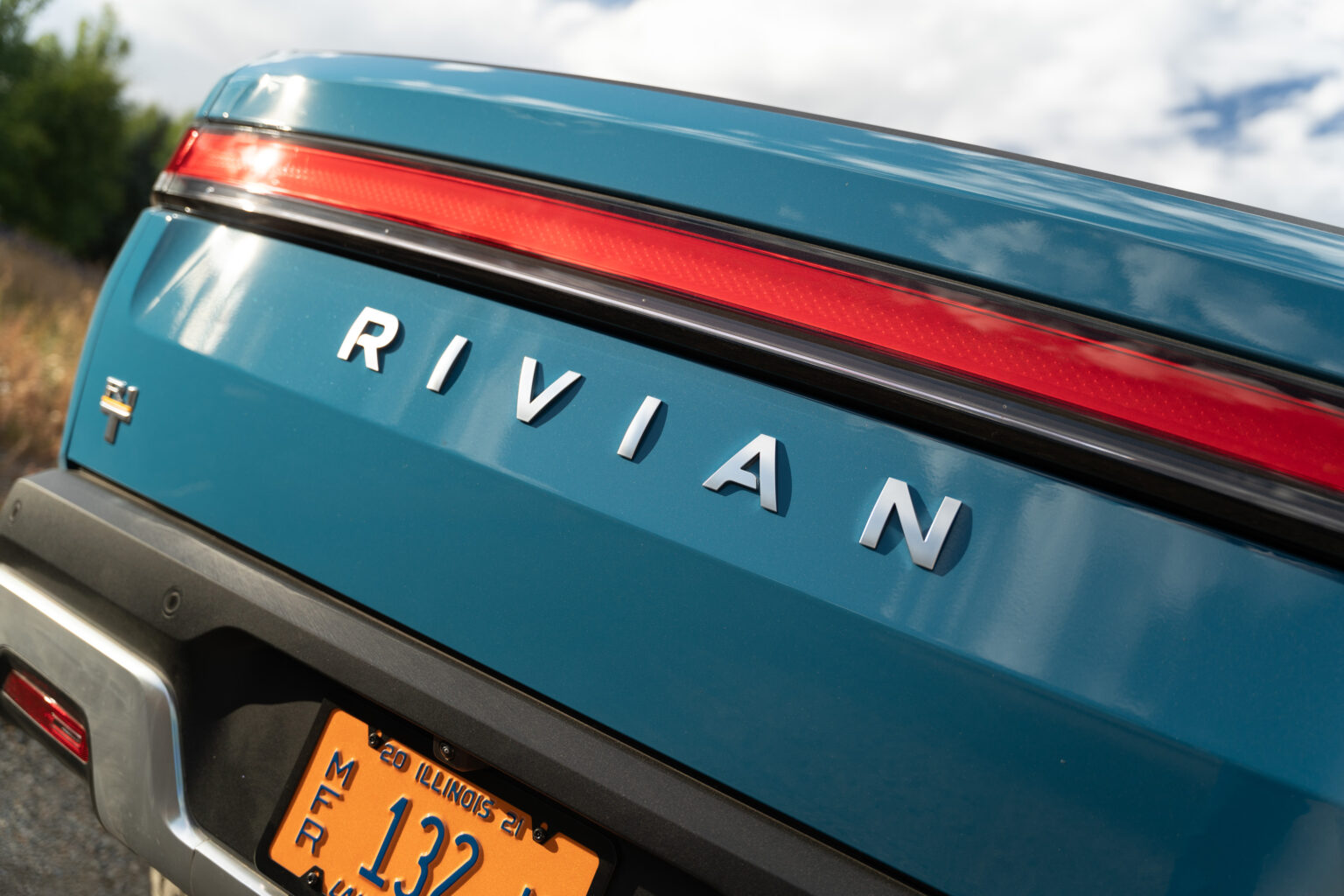
American electric truck and SUV manufacturer Rivian filed a lawsuit against the US government last week to claw back tariffs paid under President Donald Trump’s “Liberation Day” trade policy — tariffs that the Supreme Court has already ruled unconstitutional.
The suit, filed on Thursday in the US Court of International Trade, names the US government, US Customs and Border Protection and CBP commissioner Rodney Scott as defendants. The automaker wants the court to declare the tariffs “contrary to law,” order a refund with interest, and require CBP to cover associated court fees.
Why is Rivian suing?
In April 2025, President Trump declared a national emergency over what he called persistent US trade deficits and used the International Emergency Economic Powers Act to impose tariffs on nearly every country the US trades with — a 10% baseline, with reciprocal rates of up to 50% on some countries. Rivian says the tariffs added “hundreds of dollars” to the cost of each vehicle, disrupted its access to raw materials and components and hampered its ability to price competitively.
In February, the Supreme Court ruled that the IEEPA doesn’t authorize a president to impose tariffs. The 1977 law was designed as a sanctions tool — freezing assets and blocking transactions with designated entities — finding nothing in its text mentioning tariffs, duties or revenue.
That ruling ended the legal basis for the “Liberation Day” tariffs, but it did not settle who would get money back or how. That gap is what Rivian’s lawyers say this new suit is trying to close.
What the EV automaker wants
Rivian’s suit asks the court to declare the import tariffs paid under IEEPA as “contrary to law” and order CBP to make right any assets “liquidated with the assessment of IEEPA tariffs.” Rivian wants the US government to issue a refund on the IEEPA tariffs collected “with interest as provided by law,” along with costs, attorney fees and further relief.
Rivian CFO Claire McDonough said on the company’s Q1 2026 earnings call in April that she expects the company’s refund to land in the “tens of millions of dollars.”
A larger queue of companies
Rivian didn’t respond to requests for comment on the lawsuit, but the automaker is far from alone. According to reports earlier this month, only around $71 billion in IEEPA tariff refunds had actually been paid out, a good deal short of the more than $121 billion in refunds that CBP told TechCrunch have been accepted for processing.
Rivian’s suit is just one entry in a much larger queue of companies across a wide gamut of industries trying to convert the “tariffs were illegal” ruling into an actual check, like Nintendo.

See full bio
Read the full article here