


Published on •Updated
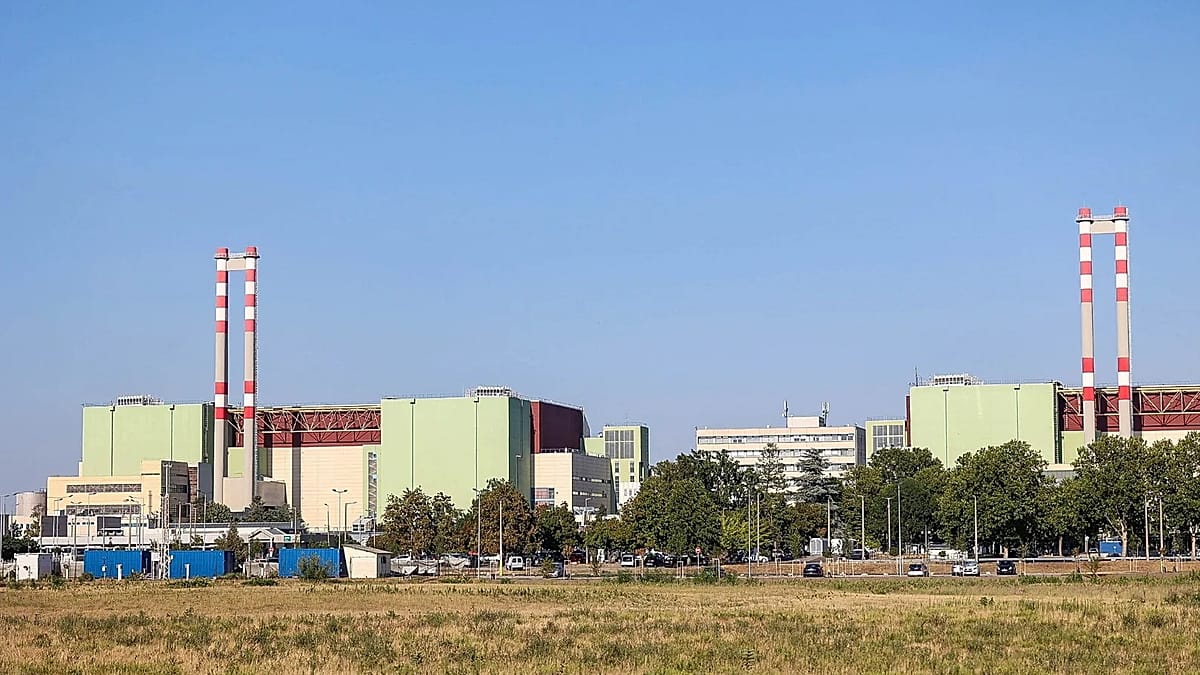
The phased reactivation of the previously shut-down capacity has begun at the Paks Nuclear Power Plant, after the level of the River Danube started to rise.
Once the river had climbed back above the critical low recorded a week earlier, it became possible for one turbine to start producing electricity again from Monday evening. The reconnection is taking place under strict technical and safety conditions.
At the beginning of August, the Danube’s water level dropped to a historic low, reaching minus 134 centimetres at Paks. As a result, three of the four reactor units had to be shut down gradually and in a controlled manner. Only a single turbine remained in operation.
Thanks to rainfall over the Austrian catchment areas, the river began to swell along its upper reaches. That flood wave has now reached the Paks section as well. A rise of 19 centimetres in the water level provides enough volume to extend safe cooling.
Plant increases power output
With the launch of another generating unit, the plant’s output to the grid will increase from the 240 megawatts recorded during the critical period to 500 megawatts.
During the restart and operation of the nuclear power plant, nuclear safety takes absolute precedence over electricity production, so the reconnection has to meet several stringent requirements. In terms of adequate pump pressure, the rise in the Danube has restored the efficiency of the cold-water channel pumps, ensuring that the condensers can be cooled.
The systems responsible for cooling the reactor core and the spent fuel pools must function flawlessly; they remained continuously in operation even during the period of low water. Before the turbine can be started, an adequate vacuum has to be created in the condenser. The quality of the secondary-circuit water also needs to be checked.
The reactor’s thermal output and the volume of steam are not adjusted in one go but synchronised step by step with the generator’s connection to the grid, according to a strict timetable.
Around half a million components also have to be subjected to diagnostics. Operating specialists will ensure that the heat and the temporary shutdown have not caused microscopic material defects in the equipment.
Read the full article here