


A filing submitted by Meta to the US Patent and Trademark Office shows that Meta has continued developing features that use facial recognition in conjunction with its controversial smart glasses. The application for the patent was submitted in February and made public this week. There’s no indication of how long the approval process could take or whether the patent will ultimately be granted.
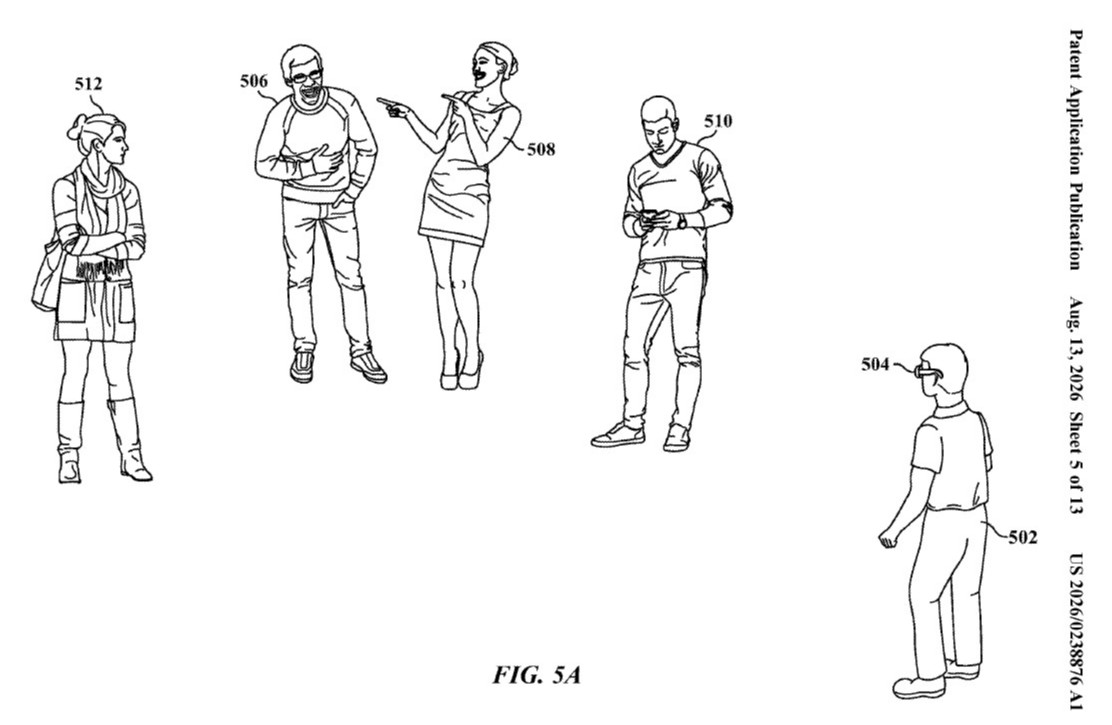
The application, which CNET has viewed, includes 44 pages of drawings and descriptions of a system that would use Meta’s smart glasses technology in conjunction with AI facial recognition. The system would use AI facial recognition to identify people and create media, including videos, that contain that information. It could also use inputs such as location data or information from online services to create those media files, support a wide range of content-creation activities or interact with Meta services, according to the lengthy filing.
A representative for Meta did not immediately respond to a request for comment.
The patent filing comes at a sensitive time for Meta and this product category. Privacy advocates have heavily criticized the company’s lack of privacy protections, while the nickname “pervert glasses” has been used more frequently in media stories about its smart glasses.
That sentiment was expanded upon by the nonprofit Center for Democracy and Technology, which issued a statement about the patent application, calling it an escalation of privacy harms.
“Meta’s patent application includes relatively innocuous use cases, but, if deployed, this tech can and will be used for much more nefarious purposes and will put marginalized people like victims of stalking and domestic violence at risk,” wrote Ariana Aboulafia, project lead for disability rights in technology policy for the center.
“No one should be forced to constantly question whether the person next to them at a party, in the doctor’s office, or on the train is constantly recording, identifying, and storing information about them,” Aboulafia wrote.
How soon for these features?
Meta drew criticism after it distributed dormant facial‑recognition code within its Meta AI app, a move the company later reversed by removing the software entirely. It has also faced criticism for testing facial recognition software sold by a vendor that deals with military and police contracts.
Some of the backlash originated with an investigation from Wired, confirmed by the Electronic Frontier Foundation’s Threat Lab, which found hidden code that was distributed to all Meta AI app users. Those findings put Meta on the defensive, and the company lashed out at Wired for its coverage even as it rolled back that software.
Meta isn’t the only company that has been the target of increased public scrutiny over technology and privacy; Flock Safety has been countering bad publicity and vandalism as well as pausing or canceling contracts for its license plate reader cameras in cities, including Los Angeles and Dayton, Ohio. Flock’s technology has also been criticized for incidents in which law enforcement officers have misused the tech to track people; despite policy changes, there are many ways to circumvent its safeguards.
Read the full article here