


London’s first public robotaxi service is now live. Starting today, UK riders can hail a self-driving vehicle via the Uber app, through a partnership with autonomous driving company Wayve – though a safety operator will initially remain in the driver’s seat.
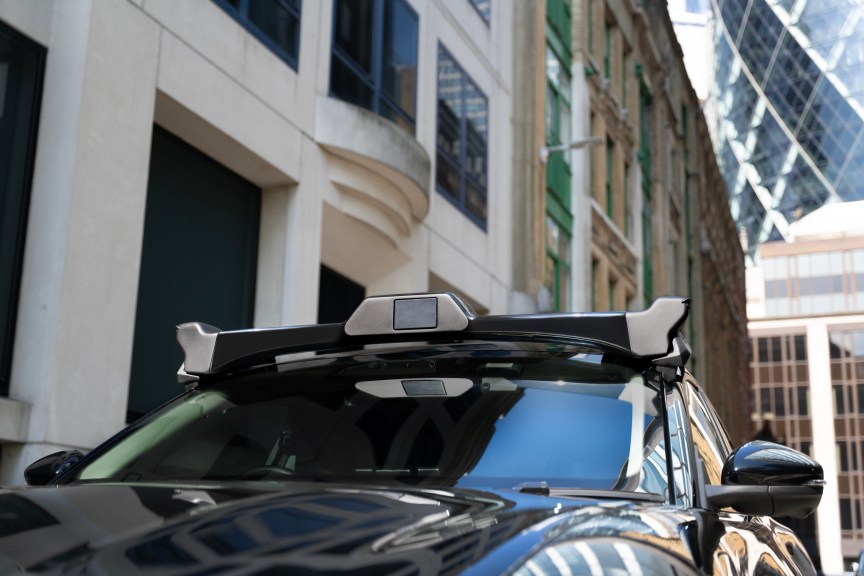
At launch, the rides will take place aboard the all-electric Ford Mustang Mach-E. The vehicles are outfitted with cameras and radar, allowing Wayve’s AI Driver to navigate with “full 360-degree visibility around the car at all times,” the companies said in a press release.
Eventually, rides can expand to other vehicles equipped with Wayve’s driverless tech. In fact, Wayve and Uber plan to open up self-driving trips aboard the Nissan Leaf in Tokyo later this year.
Wayve is one of a handful of autonomous vehicle (AV) companies looking to revolutionize urban transportation around the world. Competitors include Waymo, Zoox, Nuro, Avride and May Mobility – which all have partnerships with either Lyft, Uber or both. Waymo aims to launch its robotaxi service in London sometime this year, pending regulatory approval.
Unlike AV systems that rely on high-definition maps and hand-coded rules for perception and navigation, Wayve says it uses foundational AI models that allow its AI Driver to learn from real-world environments and then apply those driving skills “to unexpected scenarios, even without prior training exposure.” That means the tech can “adapt to new roads, vehicles, weather conditions and cities with unprecedented speed and efficiency,” according to the company.
The launch of the robotaxi service comes as Uber on Wednesday said it’s laying off around 10% of its staff. The cuts involve “simplifying team structures” by eliminating several management roles, CEO Dara Khosrowshahi noted in a message to employees, which the company later shared in a newsroom post. Uber plans to invest more in ride-hailing, delivery and robotaxi operations.
Navigating the challenges ahead
Wayve was founded in 2017, and began operating on London’s public roads in 2020. That’s around the time Uber abandoned its own self-driving ambitions, opting to instead team up with more established players in the space.
In 2024, Uber and Wayve announced their collaboration, agreeing to bring Wayve-powered vehicles to the Uber network. That was followed by plans the following year to launch self-driving trials on public streets in London.
As driverless cars expand into more cities, they face a unique set of challenges shaped by distinct local cultures, roads and regulations. London may prove especially challenging, with its narrow, one-way routes and free-wheeling (and assertive) pedestrians. Additionally, the city’s iconic black-cab culture has endured even as ride-hailing apps transformed how people get around. Now, autonomous vehicles could trigger another seismic shift in the city’s transportation landscape – and potentially provoke fierce resistance from an industry that’s already weathered one tech-fueled wave of disruption.
At launch, Wayve will manage its fleet, while Otto Car, which provides private car rental services, will oversee the trained onboard safety drivers. Uber will eventually take over day-to-day fleet operations alongside Otto Car. The two companies will run a depot in London, which will serve as a hub for everything from vehicle maintenance to servicing and charging. There will also be charging pitstops throughout the operating area to boost vehicle uptime (and maximize profits).
From the start, Uber will handle rider support, while Wayve will oversee its driverless tech.
“We’re proud to introduce the Wayve AI Driver to the public for the first time right here in London, our home city and one of the most complex driving environments in the world,” Alex Kendall, CEO and co-founder of Wayve, said in a statement. “Autonomous driving technology will complement the city’s rich transport network, and we’re excited for Londoners to experience it first as we begin our global rollout with Uber.”
How to hail a Wayve robotaxi ride on Uber
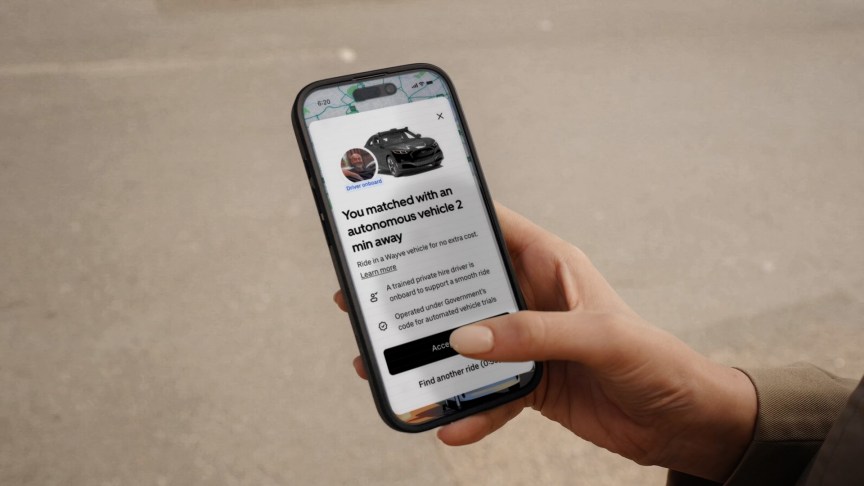
Starting today, if you request an UberX, Uber Comfort or Uber Electric ride in London, you could be matched with a Wayve-powered Mach-E vehicle. There is no additional cost and you’ll see the pricing up front.
The vehicles will drive autonomously, though initially, a safety operator will oversee the trip and offer support or take the wheel if needed. “This is part of our phased introduction, before fully driverless operations begin in the future,” Uber and Wayve said in a release.
Riders will get a notification each time they’re matched with an AV, with the option to accept the ride or switch to a non-autonomous vehicle. So if you’re not thrilled about having an AI-powered driver, you won’t be forced to take one of these vehicles.
On the flip side, if you’re eager to get in an AV, you can boost your chances of being matched with one by opting in via the Uber app. Go to Account > Settings > Autonomous Vehicles (under Ride Preferences) and hit the toggle next to “Get more autonomous rides.”
Once the car arrives, you can unlock it and begin the trip from the Uber app. There’s also a touchscreen in the vehicle for starting the ride and seeing the planned route – similar to what you’ll find in other self-driving vehicles from companies like Waymo. Riders can access human support in the Uber app, or from the safety operator in the vehicle.
You’ll be able to rate the trip afterward, but won’t be prompted to tip.

See full bio
Read the full article here