


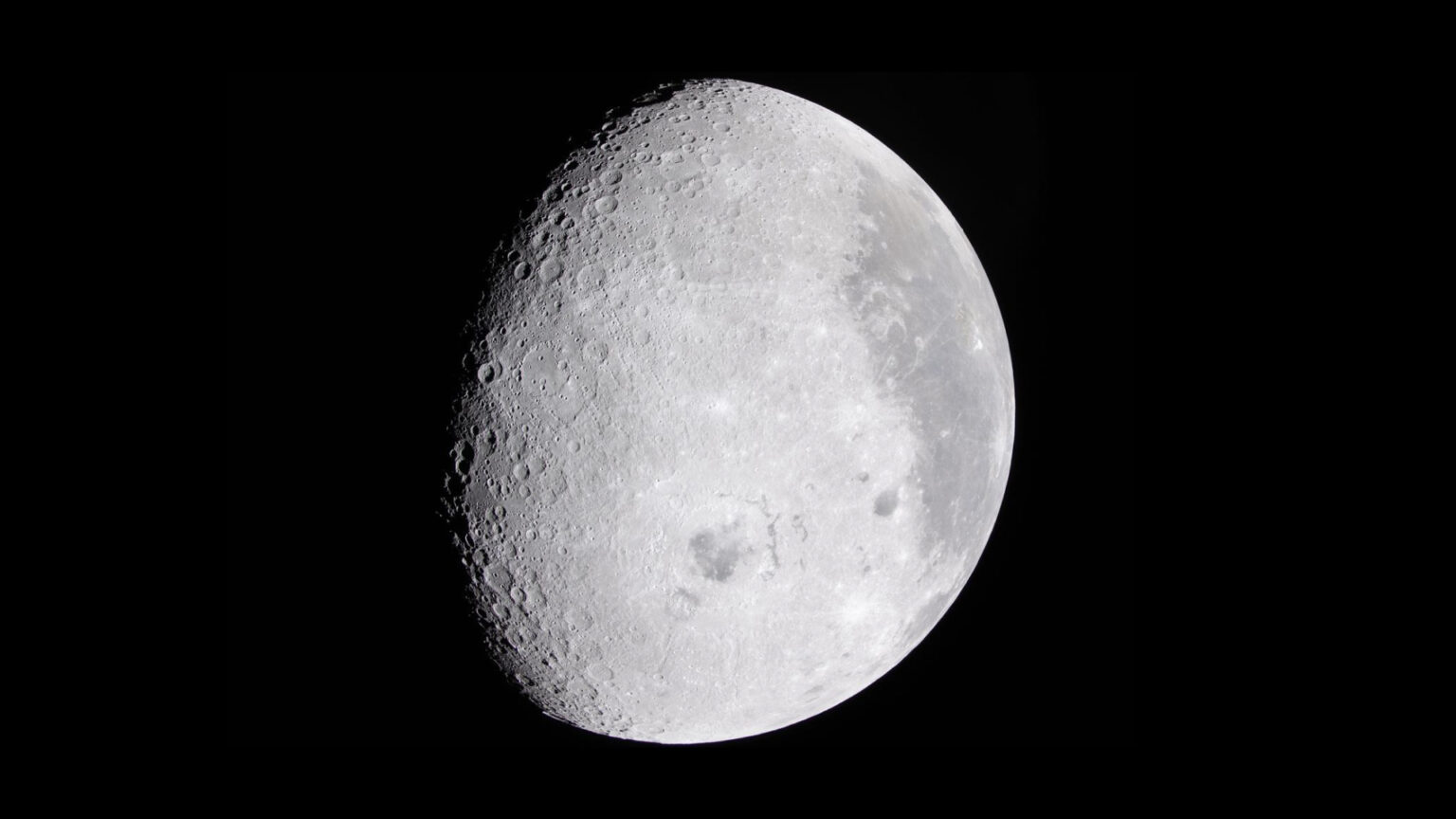
The NASA‑IBM Lunar Foundation Model is one of the first of its kind: a publicly available AI model created to support exploration of the moon under NASA’s Artemis program.
Launched on Thursday and now available on the collaborative, open-source AI platform Hugging Face, the model was trained on decades of lunar observation data selected by IBM and NASA researchers to provide insights to advance human presence on the moon, according to a press release.
IBM and NASA have worked together for over 60 years, since they first collaborated to put the first man on the moon.
A new phase for moon exploration
In the past, scientists had to manually examine maps and images collected by different instruments that had been analyzing the moon for decades. Or they used low-resolution machine learning models designed only for a specific task.
The NASA‑IBM Lunar Foundation Model not only saves researchers time by identifying data patterns at scale and across different instruments but, according to the press release, also outperforms widely used methods by up to 23% in identifying the moon’s key geographic features. This includes craters, volcanic formations and potential ice deposits, all of which provide crucial information for future Artemis moon explorations.
Shining light on the first lunar dataset of its kind
In addition to the foundation AI model, IBM and NASA scientists also built what they’re calling the first open-source lunar dataset of its kind, bringing together tens of thousands of maps and images collected by nine instruments across four moon missions.
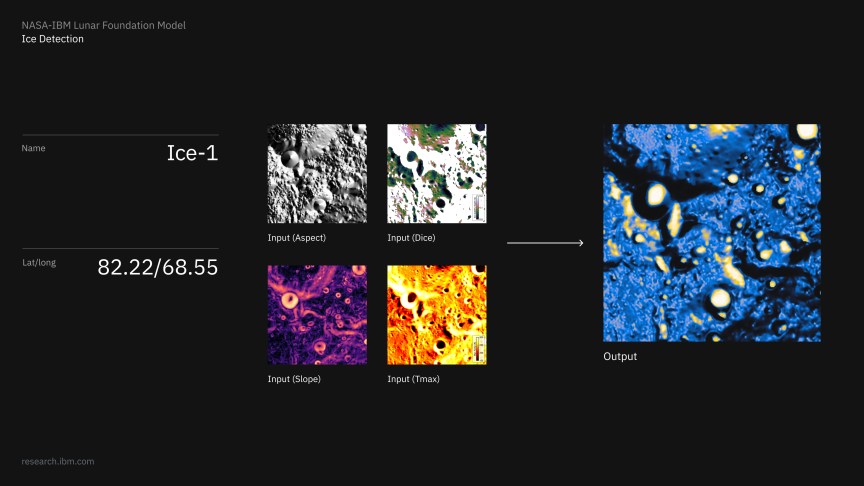
Campbell Watson, senior research manager at IBM Research, told CNET in an email that by making the model and the dataset publicly available, IBM and NASA want to provide the global scientific community with a shared foundation that researchers can adapt and apply to new questions about the moon.
“This work builds on decades of publicly released lunar data collected across multiple missions, so open-sourcing the model continues that tradition of broad scientific access and collaboration,” Watson said.
The NASA‑IBM Lunar Foundation Model isn’t the only one of NASA and IBM’s open-source AI models on Hugging Face. It also hosts the Prithvi family of models for weather, climate and earth observation.
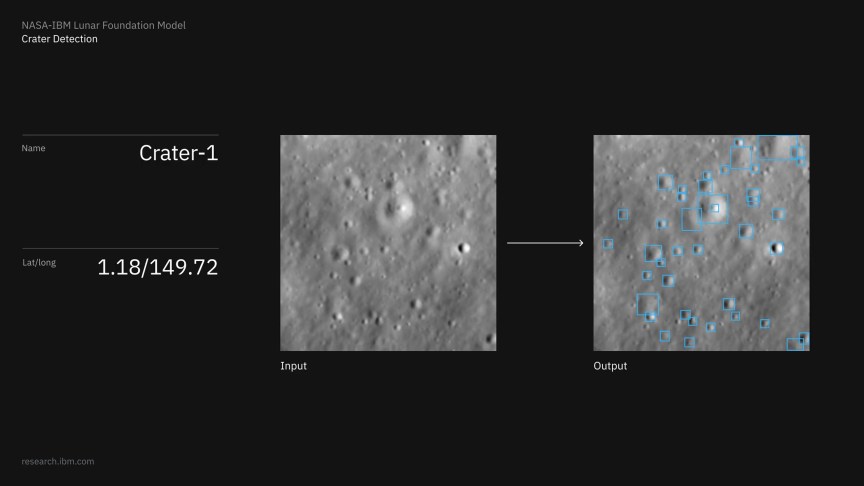
Researchers can build on the NASA‑IBM model to make new discoveries, rather than creating an AI model from scratch each time.

See full bio
Read the full article here