


NEWYou can now listen to Fox News articles!
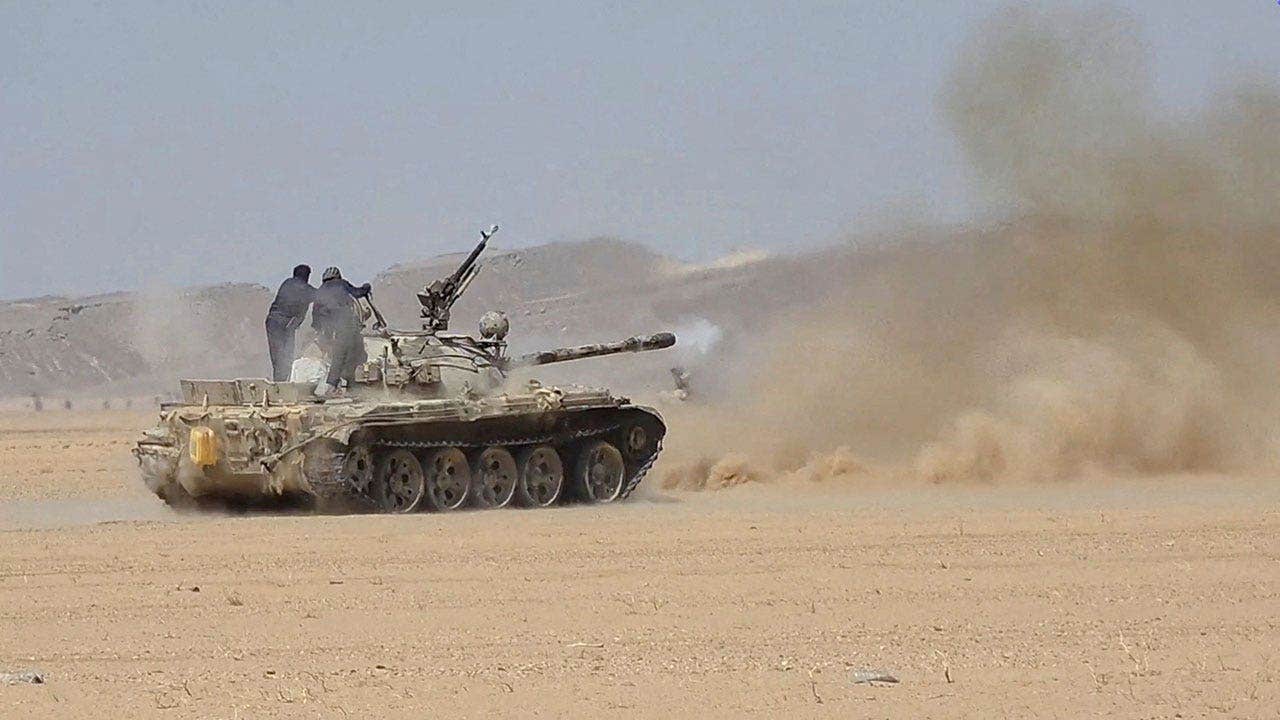
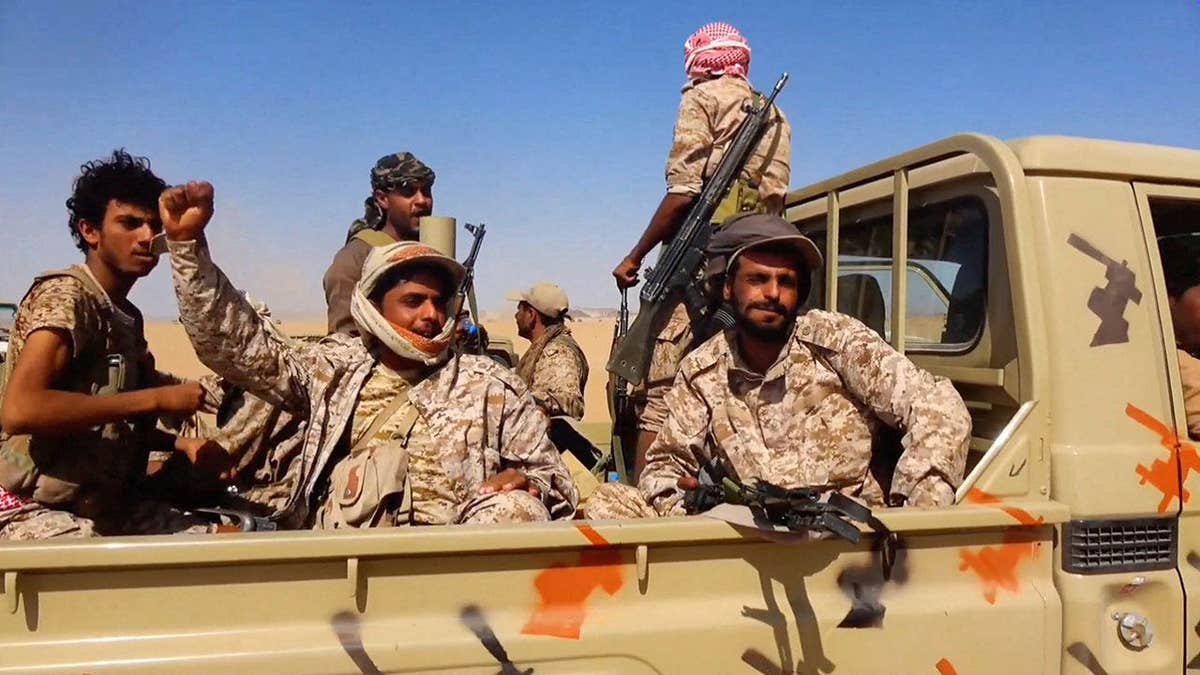
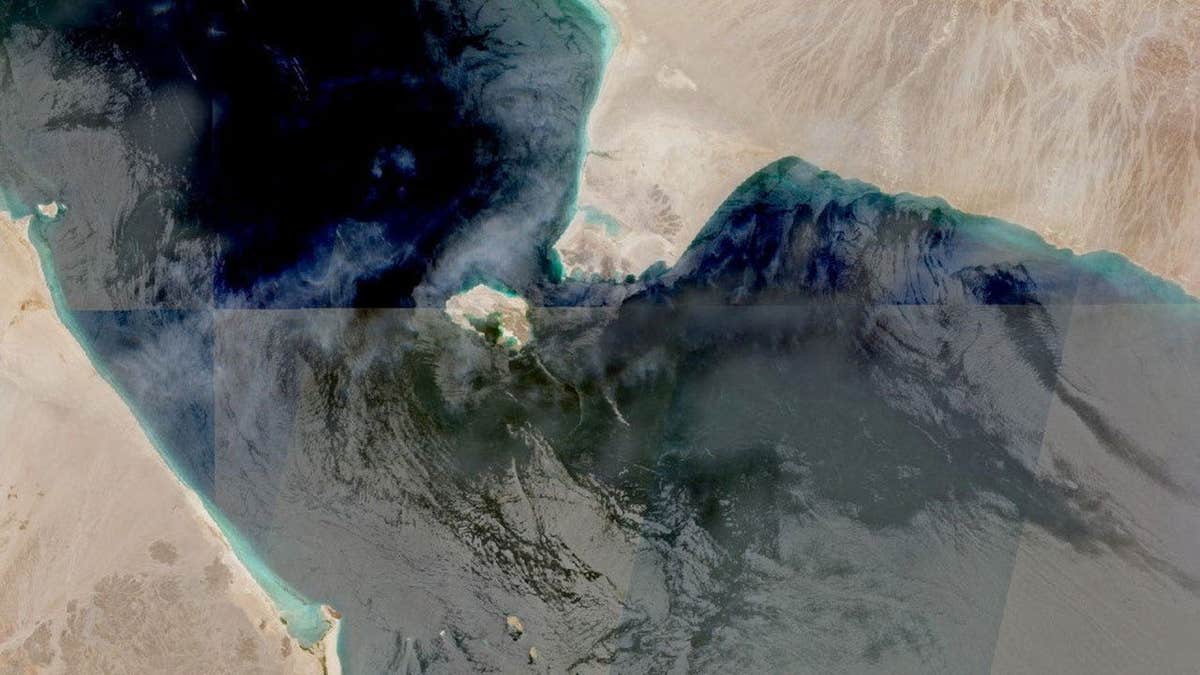
Iran-backed Houthi forces seized Yemen’s strategic port city of Mocha on Thursday and pushed toward positions overlooking the Bab el-Mandeb Strait, opening a potentially dangerous new front for global trade as shipping through the Strait of Hormuz remains severely constrained.
The advance threatens the southern gateway to the Red Sea just as Saudi Arabia has increasingly relied on that route to bypass Hormuz — putting pressure on critical shipping lanes on both sides of the Arabian Peninsula and raising the risk of further disruptions to oil and commercial traffic through a key global trade choke point.
“Now you have Iran on one side of the Arabian Peninsula controlling Hormuz, and now the Houthis controlling Bab el-Mandeb on the other side of the peninsula,” Hisham Al-Omeisy, senior Yemen advisor at the European Institute of Peace, told Fox News Digital. “Which basically is going to drive prices — oil prices, goods and everything else — up exponentially.”
IRAN-BACKED TERROR PROXY HOUTHIS THREATEN FRESH ATTACKS AFTER YEMEN AIRPORT STRIKE
On background, a senior administration official told Fox News Digital: “The United States is focused on protecting our core national security interests — such as ensuring freedom of navigation in the Red Sea — while empowering our regional partners to take the lead in managing and resolving regional security challenges. We are in continuous dialogue with Saudi Arabia and the Republic of Yemen Government regarding regional stability.”
Yemeni government sources said Thursay the Houthis captured Mocha and reached the Hanish Islands, while Saudi-backed Yemeni government forces withdrew south toward Dhubab, which sits directly on the Bab el-Mandeb opposite the strategic island of Perim. Control of Dhubab and Perim would be critical to gaining a stronger hold over the strait, Yemeni government sources told Reuters on Sept. 10.
Bab el-Mandeb is only about 18 miles wide at its narrowest point and connects the Indian Ocean and Gulf of Aden with the Red Sea and, farther north, the Suez Canal. It is a major artery for goods moving between Asia and Europe as well as energy shipments.
Its importance has grown dramatically during the Iran conflict.
WHO CONTROLS THE STRAIT OF HORMUZ RIGHT NOW? HERE’S WHAT THE SHIP TRAFFIC ACTUALLY SHOWS
The U.S. Energy Information Administration reported Sept. 9 that crude oil and petroleum liquids moving through Bab el-Mandeb averaged 8.1 million barrels per day in the second quarter of 2026, up from 5.4 million barrels per day in the final quarter of 2025. At the same time, flows through Hormuz plunged from 21.6 million barrels per day to just 4.9 million. The EIA attributed the increase at Bab el-Mandeb in part to Saudi Arabia rerouting crude through its East-West pipeline to the Red Sea port of Yanbu to avoid Hormuz.
Al-Omeisy said the danger extends beyond the Houthis’ geographical gains. He said retreating government forces left behind military materiel that could strengthen Houthi forces on other fronts.
“People are focused on taking Mocha and those outposts on the Red Sea,” Al-Omeisy said. “But the military side is terrible, particularly the equipment, the munitions, the vehicles, the drones that were at those military camps, which they can now, in turn, use against the government forces elsewhere.”
RUBIO ACCU.S.ES IRAN OF FLYING IRGC PERSONNEL INTO YEMEN AS HOUTHI THREAT ESCALATES
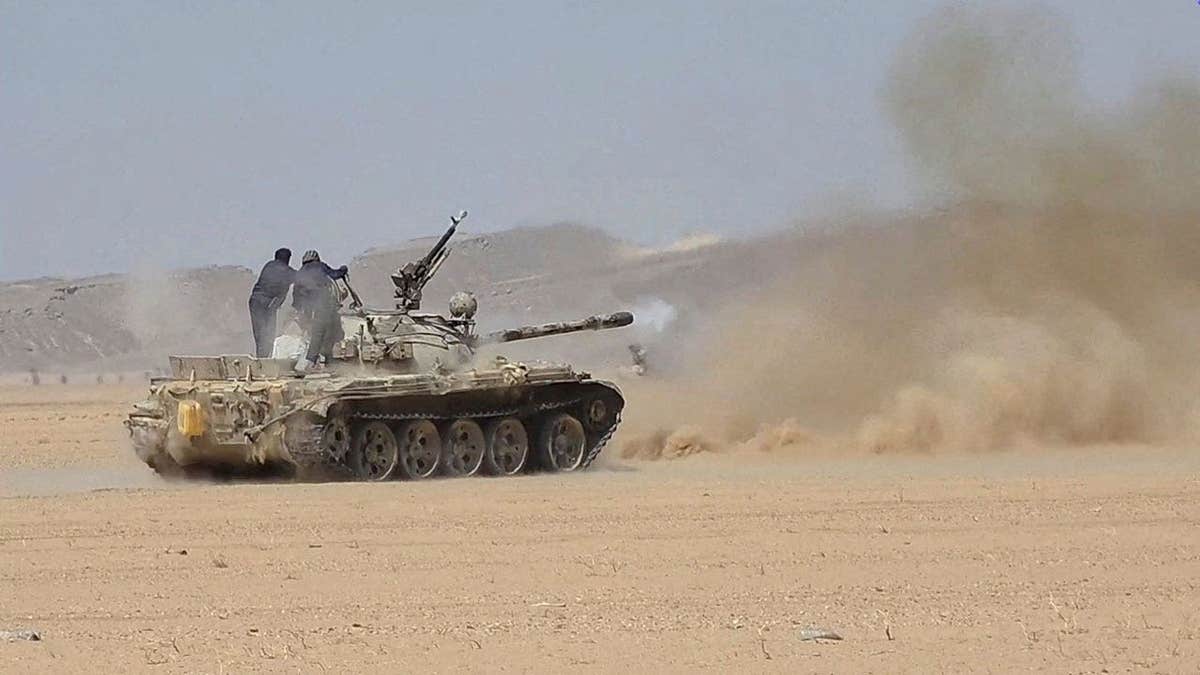
Reuters separately reported Thursday that Iranian arms and direct guidance from Iran’s Revolutionary Guards helped the Houthi advance, citing Yemeni government, Iranian and regional sources. Two Iranian sources told Reuters that Tehran had instructed the Houthis to intensify attacks on Saudi Arabia and promised additional funding, weapons and senior officers. Iran has publicly denied directing Houthi operations.
The seizure comes amid what conflict-monitoring organization ACLED described Sept. 9 as the most serious escalation between the Houthis and the Saudi-backed camp since hostilities resumed in mid-July.
ACLED recorded at least 276 fatalities between Sept. 3 and 7 as clashes spread across al-Dali, al-Bayda, Marib, Shabwa, al-Jawf, al-Hudayda and Taizz, according to an analysis published Sept. 9.
Sherwan Hindreen Ali, ACLED’s Middle East research manager, said fighting along the Red Sea coast had become particularly intense as both sides sought control over territory with direct strategic importance to Bab el-Mandeb.
“Fighting will remain focused on the fronts of the Red Sea coast in al-Hudaydah and Taizz, where both the Houthis and the Saudi Arabia/IRG have a vested interest in claiming the whole territory to deprive the other side of effective control of the strait of Bab el-Mandab,” Ali said in an analysis.
Saudi Arabia itself has also become more deeply involved.
EXPERT WARNS OF ‘GENERAL ESCALATION’ OF FIGHTING IF HOUTHIS RESUME RED SEA CAMPAIGN

Ali said Saudi forces launched at least 15 strikes against the Houthis between Sept. 3 and 7, mostly around Taizz, marking the highest number of Saudi strikes since Riyadh resumed military engagement against the Houthis in July.
The Houthis responded Sept. 8 with what Ali described as their largest wave of direct attacks on Saudi territory since March 2022, launching dozens of drones and ballistic missiles toward Abha, Jizan, Najran and Khamis Mushait. Ali said the attacks injured 73 people.
The widening fighting is now posing an early test for a new joint defense agreement between Saudi Arabia, Pakistan and Turkey.
Al-Omeisy said the international response allowed the Houthis to exploit divisions among their opponents.
“The Houthis are also good in exploiting divisions and delays, they move rapidly on the ground to force a status quo while the international community debates merits, responsibilities and costs of an intervention.”
The escalation also raises questions about Saudi Arabia’s newly signed defense agreement with Pakistan and Turkey.
IRAN-BACKED HOUTHI THREAT IN RED SEA COULD LEAD TO MAJOR US POLICY SHIFT, ANALYSTS SAY
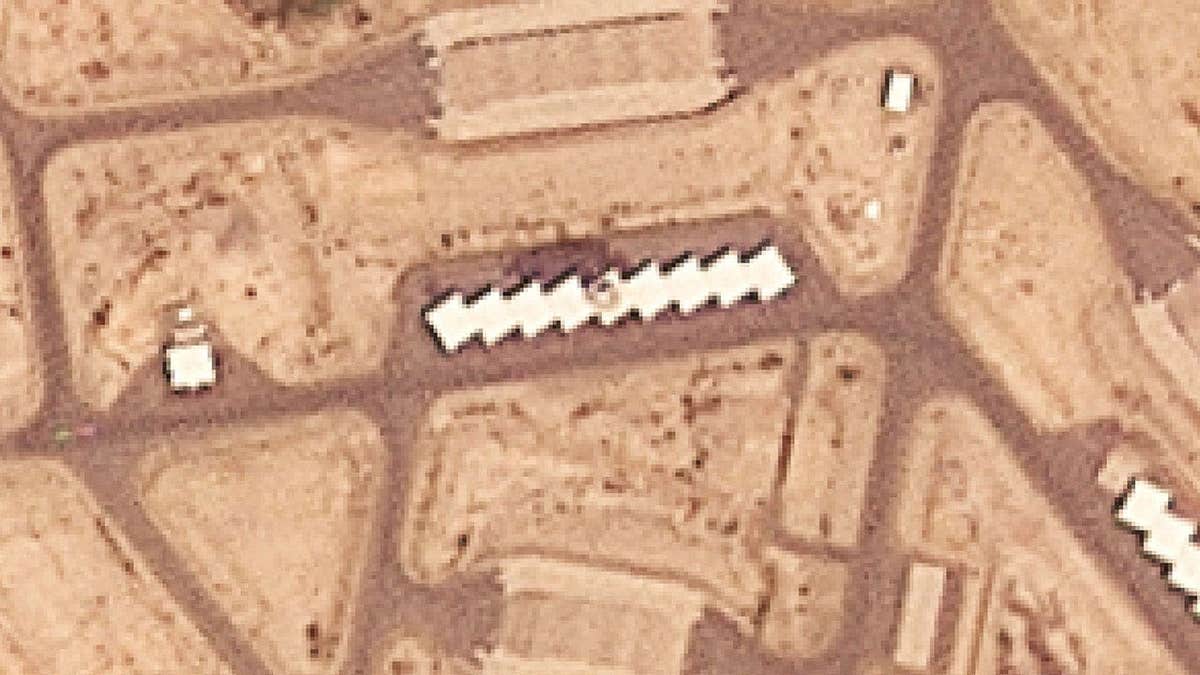
The agreement, signed last month in Mecca, states that an armed attack against one member will be considered an attack against all three, Reuters reported Sept. 10. But after Houthi drones and ballistic missiles struck Saudi cities and energy infrastructure this week, Pakistan said Thursday that no military response under the pact was currently being discussed.
“There is no such thing under discussion right now,” Pakistani Foreign Ministry spokesperson Sajjad Haider Khan said, according to Reuters. “When time comes [we] will act under the agreement.”
The Houthis, meanwhile, have said international navigation through the Red Sea and Bab el-Mandeb remains safe, while maintaining that Saudi vessels are subject to their previously announced blockade, Reuters reported Thursday.
Al-Omeisy warned that reversing the Houthis’ latest territorial gains could become increasingly difficult.
“The Houthis are really good at capturing a position, they entrench really well,” he said. “They send these massive reinforcements, and then it’s going to be extremely difficult to push them out of those areas.”
CLICK HERE TO DOWNLOAD THE FOX NEWS APP
Oil markets were already responding to the widening regional threat Thursday. Brent crude jumped more than 5% to $106.60 a barrel by late Thursday morning, while U.S. crude climbed above $100 for the first time since May, according to Reuters.
Reuters contributed to the story.
Read the full article here