


Life is absurdly busy, so makes sense that we pile our shopping carts, both online and in-store, with the tried-and-true, familiar groceries that get us through a week of cooking. However, for those looking to enhance their favorite recipes, there are a handful of under-appreciated pantry items that should also find permanent spots on their kitchen shelves.
We interviewed a dozen top chefs from around the country for their expert recommendations, from dish stars to supporting roles. These are the eight products to consider before checkout.
Clam juice
No, this is not some call to chug a bottle due to a current health fad. Clam juice is one of the most versatile ingredients that money can buy, adding a whisper of oceanic flavors to everything from sauces, soups and even Bloody Marys.
“You can also use it to make a wonderful sauce for pan-seared fish,” says Rodney Freidank, executive chef at Lefty’s West End Tavern in Greenville, South Carolina. “First, sear the fish in olive oil, remove it and [then] add some garlic, fresh or dried thyme and white wine. Reduce the mixture by half, then add the bottle of clam juice and reduce it by half again. Turn off the heat and whisk in some butter. Return the fish to the pan and gently finish cooking.”
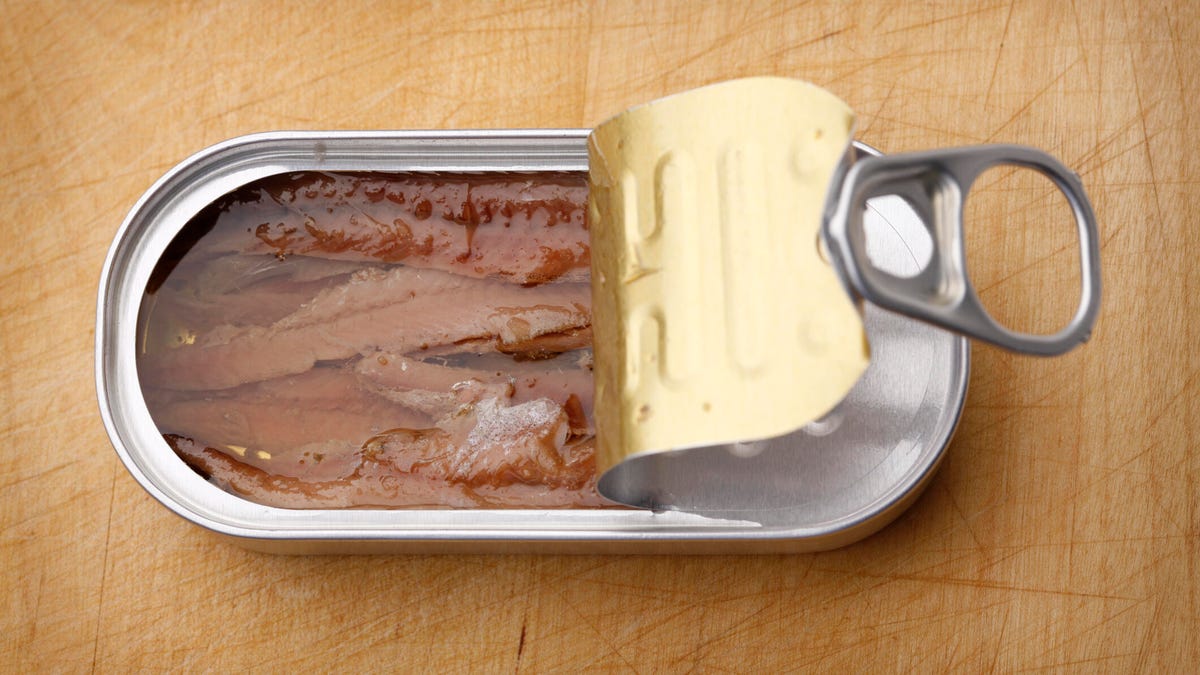
Anchovies
Chefs build entire recipes around a tin of anchovies.
It’s time to tackle America’s bizarre aversion to the salty fish and make it a mealtime staple. Aside from providing a salty, umami bite, anchovies are packed with omega-3s, proteins, and minerals that make it a certified superfood.
“Anchovies give an instant hit of umami without ever announcing itself. They can also be plated outright for a visual element or hidden in sauces or dressings,” says Mireya Ryan, executive sous chef of T. Cook’s at Royal Palms Resort and Spa in Scottsdale, Arizona.
Celery seed
The crisp and fresh green veg has seeds that also pack an herbaceous, slightly grassy punch.
“It’s not just for Bloody Marys,” says Ocean Prime Corporate Chef Jason Shelley. “It is great added to seasonings for chicken, turkey or pork. It is also great in salad dressings and soups to add additional layers of flavor.”
Seaweed
Both dried and fresh seaweed can add a ton of flavor to your meals.
You don’t need a singing red crab to remind you that some of the best stuff comes from the sea. Seaweed, either dried or fresh, makes a wonderful addition to many dishes, especially when incorporated in innovative ways.
“Seaweeds are not only very healthy for you by providing necessary minerals to your body, but they are also flavor bombs for your food,” says Seadon Shouse, executive chef at the W Hoboken. “We use a variety of local seaweeds like sea lettuce in our grass-fed butter for our bread service at Halifax, Oyster Thief, and sugar kelp in our seaweed crumble on our mini lobster rolls in the Living Room Bar, and then we cold-smoke dulse that we sprinkle on popcorn as a snack.”
Kombu, a beloved brown kelp variety, has also gained traction, both in Japan and beyond.
“A powerhouse for boosting flavor, kombu works beautifully in a wide range of applications — seasonings, marinades, stocks, seafood dishes, dashi, vegan dishes, beans and rice and even teas,” says Ewart Wardhaugh, chef of Green Valley Ranch in Henderson, Nevada. “Its natural umami makes it perfect for vegetarian and vegan cooking, and it can even be used as a wrap.”
Dried chickpeas
Hummus’s star ingredient may often be derived from a can, but its dried iteration offers a more intense nuttiness and creaminess, as well as a silky-smooth texture when soaked and blended.
“The key is to soak them overnight and let them germinate for a day or two to shorten the cooking time and enhance their natural goodness,” says Fouad Messaoudi, executive chef of La Sultana in Marrakech, who adds them to soups (including local harira) and salads for extra texture and nutrition. “They are packed with protein and fiber, affordable and good for the planet.”
These Air Fryer Chickpeas Are My Favorite Snack Hack
Beef tallow
The trendy fat has provided stiff competition for the mighty A Chef Told Me the 4 Best (and Worst) Oils to Use in an Air Fryer and anything used to deep fry. This is due to its range of vitamins, like A, D, E, and K, as well as its high smoke point.
“It is a rich, flavorful cooking fat perfect for crispy potatoes, searing steaks, frying eggs or roasting vegetables,” says Chef Robert Hale, corporate executive chef and brand ambassador for Cangshan Cutlery. “It handles high heat beautifully and adds a classic, savory depth you won’t get from vegetable oil.”
Sherry vinegar
Apple cider, balsamic and white wine get most of the love and attention, but humble sherry makes an excellent addition to any vinegar palette.
“It brings this bright, slightly nutty acidity that can completely transform a dish without shouting for attention,” says Kaitlyn Weber, executive chef of Estancia La Jolla Hotel & Spa in La Jolla, California. “I reach for it constantly to finish sauces, brighten roasted vegetables or even fix a soup that’s feeling a little flat.”
Sergio Jimenez, executive chef of Adelaide at L’Auberge Del Mar in Del Mar, California, echoes these sentiments. “Sherry vinegar is one of the most transformative pantry staples, yet it’s often overlooked. Even a simple splash can brighten sauces, balance richness in braise or wake up roasted vegetables instantly — it’s the secret ingredient that quietly elevates everything without overtly announcing itself.”
Yuzu juice
Those who enjoy the citrus notes of ponzu sauce may not know that its signature tang is derived from yuzu, the Japanese fruit that blends the flavors of lemon, mandarin orange, and grapefruit. When used on its own, it is prized for its “bright, aromatic and citrus notes.”
“Yuzu juice delivers a balance of tartness and floral fragrance that enhances both savory and sweet applications,” says Matthew Demery, executive chef of Miraval Arizona in Tucson, Arizona.
Read the full article here