


As you spend more time in the kitchen, it becomes clear that having the right tools can have an outsized impact on your recipe success rate. Some gadgets out there aren’t worth the space they take up in a drawer, but many are essential without an obvious substitute or workaround. A high-quality knife collection, forgiving wooden cutting boards and a smattering of good pans fall squarely in this category.
Other, less obvious kitchen tools that chefs and home cooks deem essential exist. As a culinary school grad-turned kitchen tech writer, I have several. One, in particular, I can never count on finding in rental kitchens and Airbnbs, so I always take one along.
I used to travel to summer beach rentals with all manner of basic tools: tongs, a whisk, a rubber spatula, you name it, plus a fleet of knives, a good bottle of olive oil and bagged-up samples of my entire spice rack.
After a couple of years, I realized that most rentals, at least on the East Coast, were well-equipped, and I was happier not having to schlep the contents of my kitchen to feel empowered to make dinner. I might stash a chef’s knife, just in case, but more often than not, even that would stay tucked in my bag.
There is one tool, however, whose utility is so singular that it can’t be substituted; in my experience, it’s the key between a good dinner and a great dinner (and dessert), and, surprisingly, you can’t expect to find it in other kitchens.
My Microplane, myself
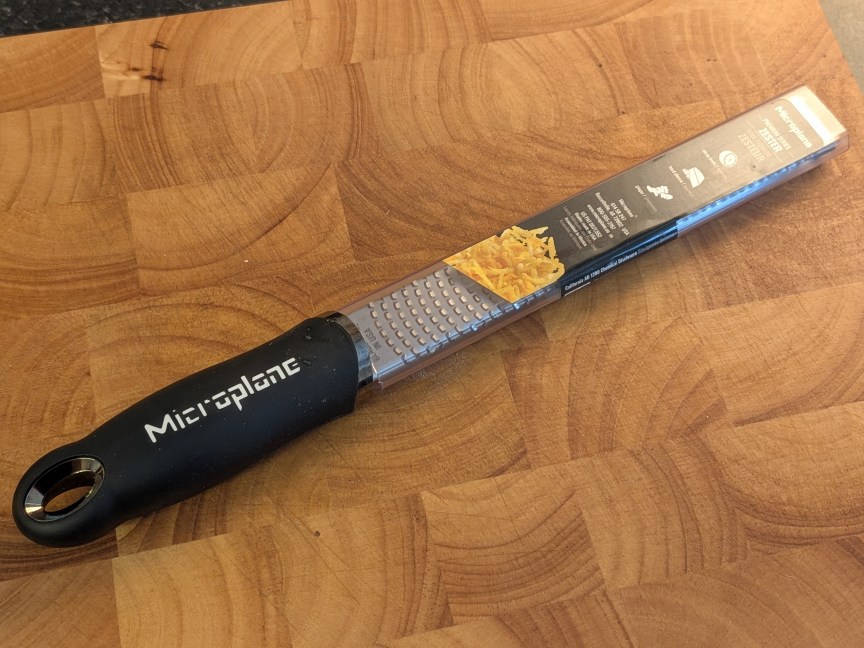
Yes, it’s a Microplane. If you’re now puzzling over how a handheld zester of all things is that important a tool, well, some of you have never enjoyed scraped-together key lime pie for breakfast at the beach, and it shows.
But seriously. No other tool does what a Microplane does to the same degree. Using a paring knife to gingerly cut the rind off citrus fruits without taking the pith with it, then mincing it up? I’ve done it. Hard pass.
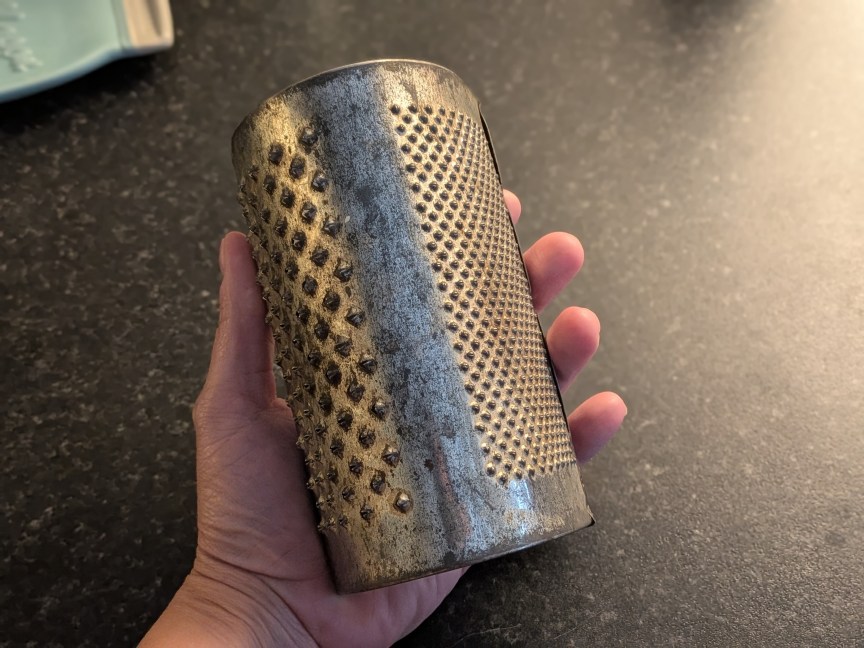
Don’t start with me about some cheap grocery store zester that’s both ergonomically overcomplicated and entirely ineffective. A box grater you would typically use for cheese or carrots, with that one plane dedicated to zesting? Have you tried it lately? (Actually, has anyone ever? It just looks like a recipe for pulpy zest and bloody knuckles.)
Why the zester is an essential kitchen tool
Maybe your skepticism isn’t about the tool’s quality, but about why any kind of zester is so critical. So I challenge you: the next time you make salad dressing or pasta, enchiladas, pad thai, or anything that calls for citrus juice, add a hit of zest and see what it does to the outcome. Citrus zest adds several times the flavor, minus the sharp acidity. In a word, it adds vibrancy to whatever you’re doing, without the pucker. It’s a wow factor with the simplest execution. Not to mention: key lime pie for breakfast.
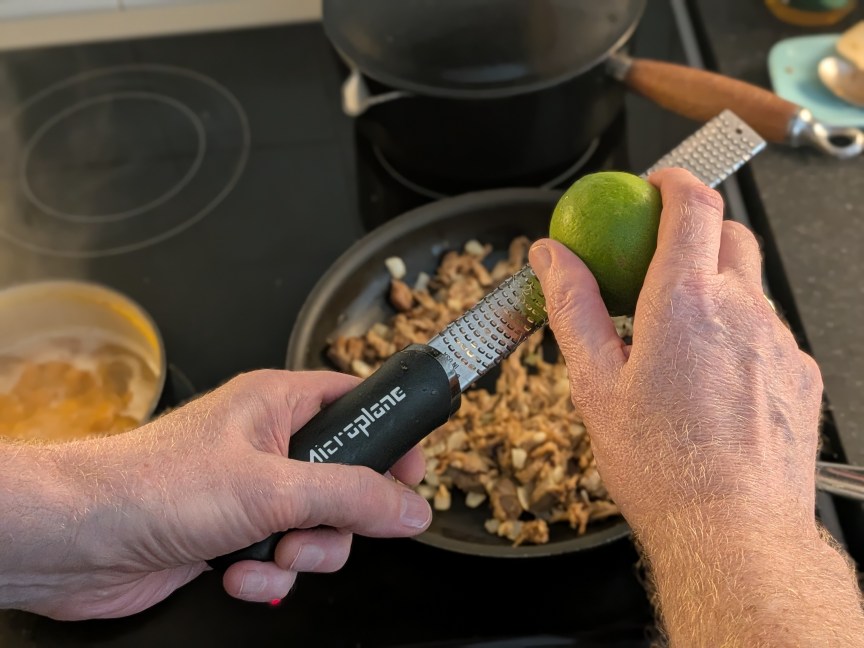
And the economics are inarguable. Even in today’s economy, a lemon or lime can only set you back so far, but it contributes so much. And the Microplane itself? Is all of about $18.
Here I am waxing all poetic about citrus, but let’s also talk about two other cooking champions whose processing is made infinitely easier by a Microplane. Garlic and ginger — also cheap yet dynamic ingredients. A garlic press is a fine thing, but if yours is as difficult to clean after use as most I’ve owned have been, ditch it. The microplane can do that work for you, and basically rinses clean afterward.
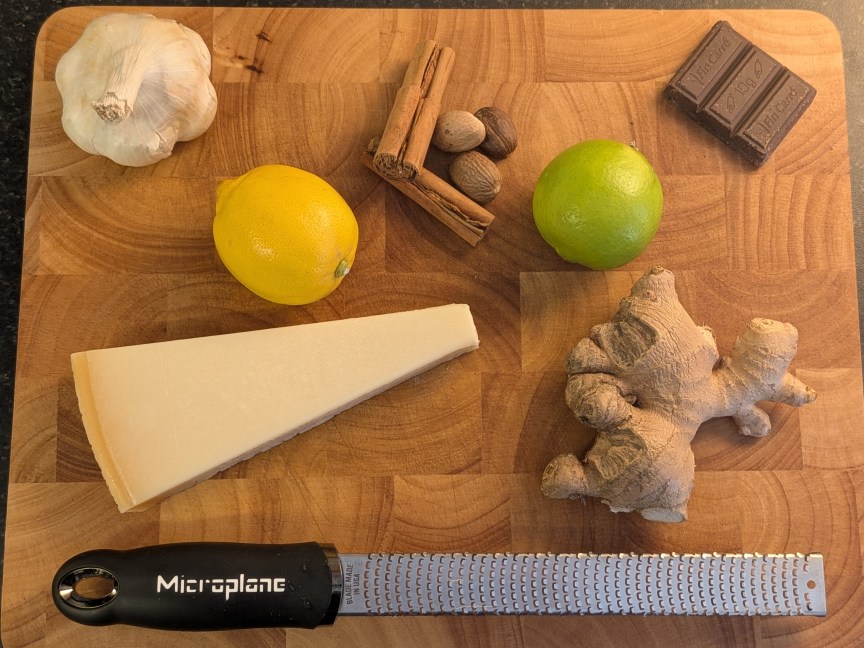
Or, if you’ve been buying pre-shredded Parm or another hard cheese, here’s another taste-test challenge for you. It’s so quick to grab a hunk and shave directly into or onto whatever you’re making or eating, with the added bonus of leaving out the extra starches that act as anti-clumping agents in pre-shredded stuff. I could also make a point here about freshly grated nutmeg, but that would be extra. Suffice to say, I never make béchamel without it.
Microplanes of a different color
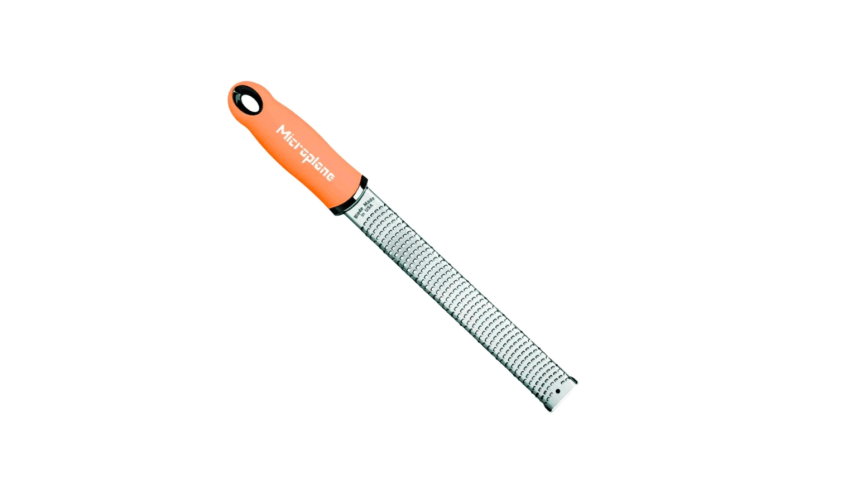
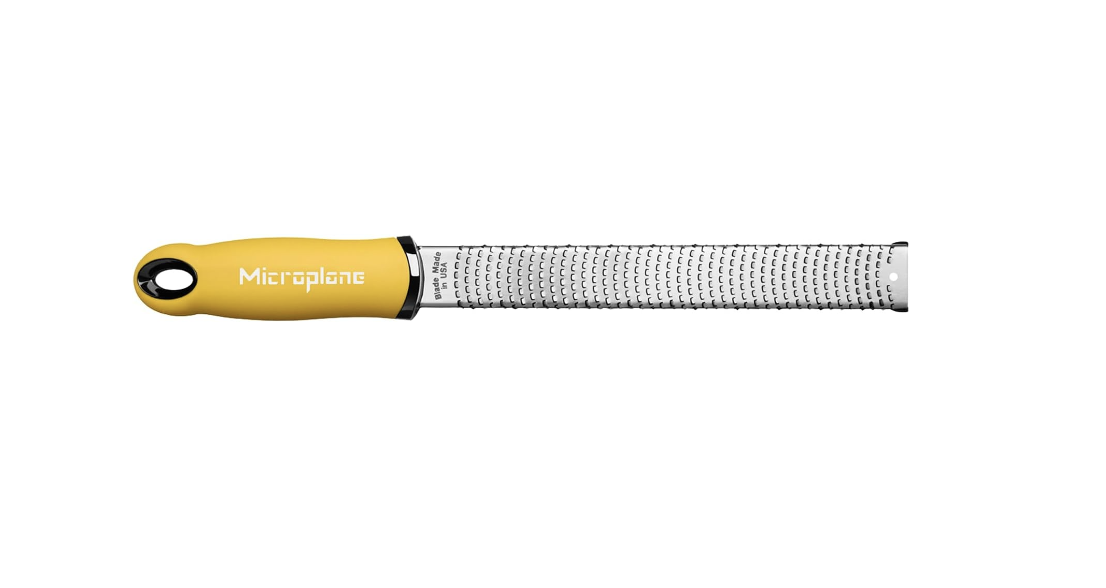
If you’re convinced, I am partial to the Microplane brand here, whose handles are especially comfortable and which includes a protective sleeve for storage. Incidentally, you can also get a Microplane in over a dozen colors, and they are made in the US, if buying locally is a compelling argument.
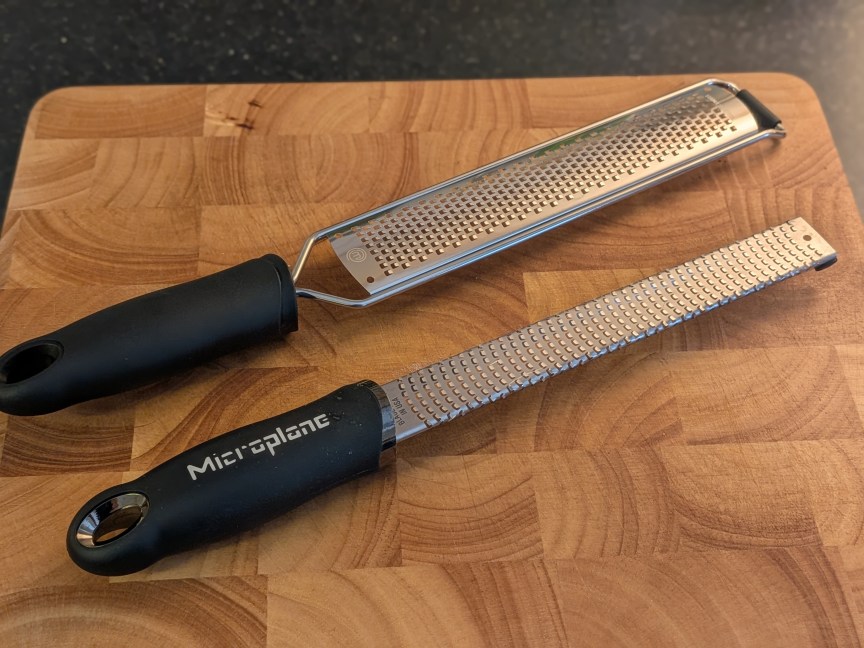
If you’re already a Microplane evangelist and have made it this far, here’s an invitation to maybe upgrade yours. They don’t last forever, as the blades will dull over time. I recently switched out my 15-year-old model, and it has brought new life to my kitchen.
 Pamela Vachon/CNET
For argument’s sake, I also checked out one of Amazon’s best-selling and least expensive models, the MasterChef version, which retails for only $10. It’s a little more generous in width, and its protective cover is admittedly a little easier to maneuver. Functionally, it works just like the Microplane, but is made in China for those keeping score.

See full bio
Read the full article here