
Spain cuts estimate of minors in Ceuta to 1,500

News Room
3 Min Read

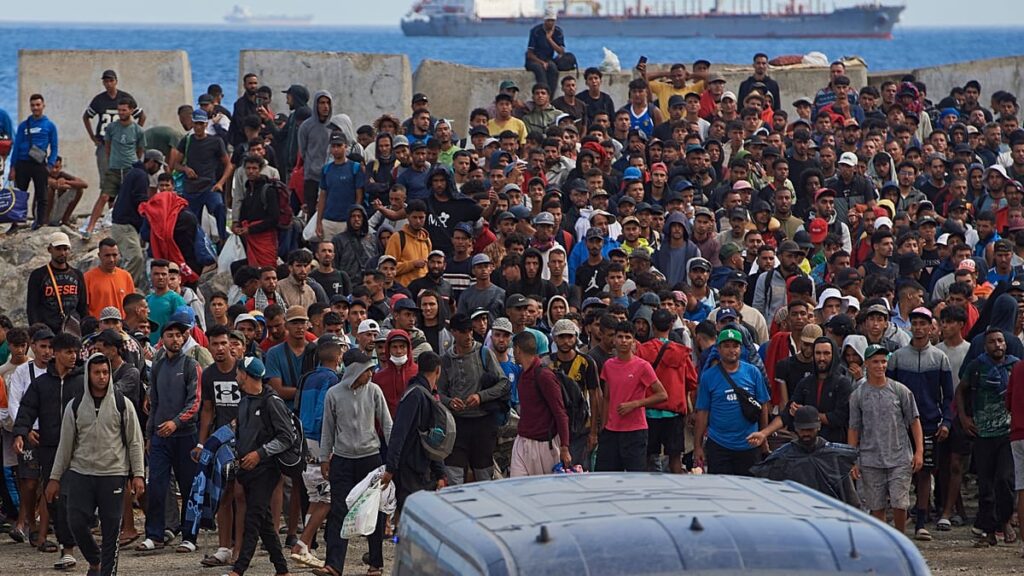
Spanish police have revised down the number of minors recorded in Ceuta following the mass arrival of migrants from Morocco last month, after discovering duplicate entries in their databases.

According to the Interior Ministry, some procedures involving the same child had been recorded as separate cases, inflating the overall figure.

On 18 August, police said they had located, identified and placed 2,168 minors in the care of the Ceuta authorities since the mass arrival of people from Morocco on 30 July and up to 09:00 that morning. Following a review of the records, the figure now stands at around 1,500.

The total also includes minors who were already in the care of Ceuta’s child protection services before 30 July. The Interior Ministry said the number could rise as ongoing identification procedures are completed.

For now, the minors remain in Ceuta while authorities consider options including transferring them to other Spanish regions because the city does not have sufficient reception capacity or, in some cases, returning them to their countries of origin.

Among them are children and teenagers from countries including Chad and Sudan, both affected by conflict and humanitarian crises. Save the Children has said some may be entitled to international protection.

The organisation has also highlighted the particular vulnerability of women and girls, who may face risks including forced marriage, sexual violence and trafficking.

Government to discuss transfers with regions

Spain’s central government has called a meeting with the country’s autonomous regions on Thursday to discuss transferring minors from territories where reception systems, including Ceuta’s, are under pressure.

The meeting will also discuss the transfer of €25 million to Ceuta to strengthen its capacity to care for minors.

Regional governments controlled by the conservative Popular Party have opposed the government’s proposed distribution system. The coalition governments of Aragon, Extremadura and Castile and León, where the far-right Vox party is responsible for children’s services, have said they will not attend the meeting.

Another option is to return some minors to their countries of origin, although this is subject to strict legal safeguards.

Returns can take place only after an individual assessment determines that it is in the child’s best interests. In practice, such returns are rare.

Spain’s Supreme Court has previously ruled that the mass return to Morocco of unaccompanied minors following the 2021 migration crisis was unlawful.

The court found that safeguards required under Spanish immigration law had been ignored, including the obligation to examine each child’s individual circumstances.

Those safeguards must be respected even when a bilateral agreement exists, such as the 2007 deal between Spain and Morocco intended to facilitate the coordinated return of minors. The Spanish government cited that agreement when seeking to justify the 2021 returns.

Read the full article here

Share This Article
Leave a comment

Leave a Reply

Your email address will not be published. Required fields are marked *