


Dangerous criminals are using San Francisco’s Drug Court program as a get-out-of-jail free card, a new data analysis shows — and the rates are exploding.
The program is supposedly for nonviolent, low-level offenses linked to drug use — but Drug Court cases have skyrocketed to more than 600 criminals avoiding jail in just the first 10 months of 2025, three times the number approved in 2023.
Applications also surged from about 500 to nearly 2,000, a roughly 300% increase, according to a San Francisco Chronicle review of court data.
One successful Drug Court applicant was career criminal Gregory McDowell, who despite having convictions for robbery and solicitation of murder in 2008 — was spared jail time for armed robbery after robbing a hairstylist and two clients at a salon before carjacking a person outside, all because he had a diagnosis severe meth-use disorder, the outlet reports.
“The record reflects a significant risk to public safety,” Assistant District Attorney Jonathan Yang said, adding that it was “inappropriate” for McDowell to get treatment in the community.
Despite those objections, Superior Court Judge Michael Begert allowed him into the program. Begert is now facing major blowback for being too lenient.
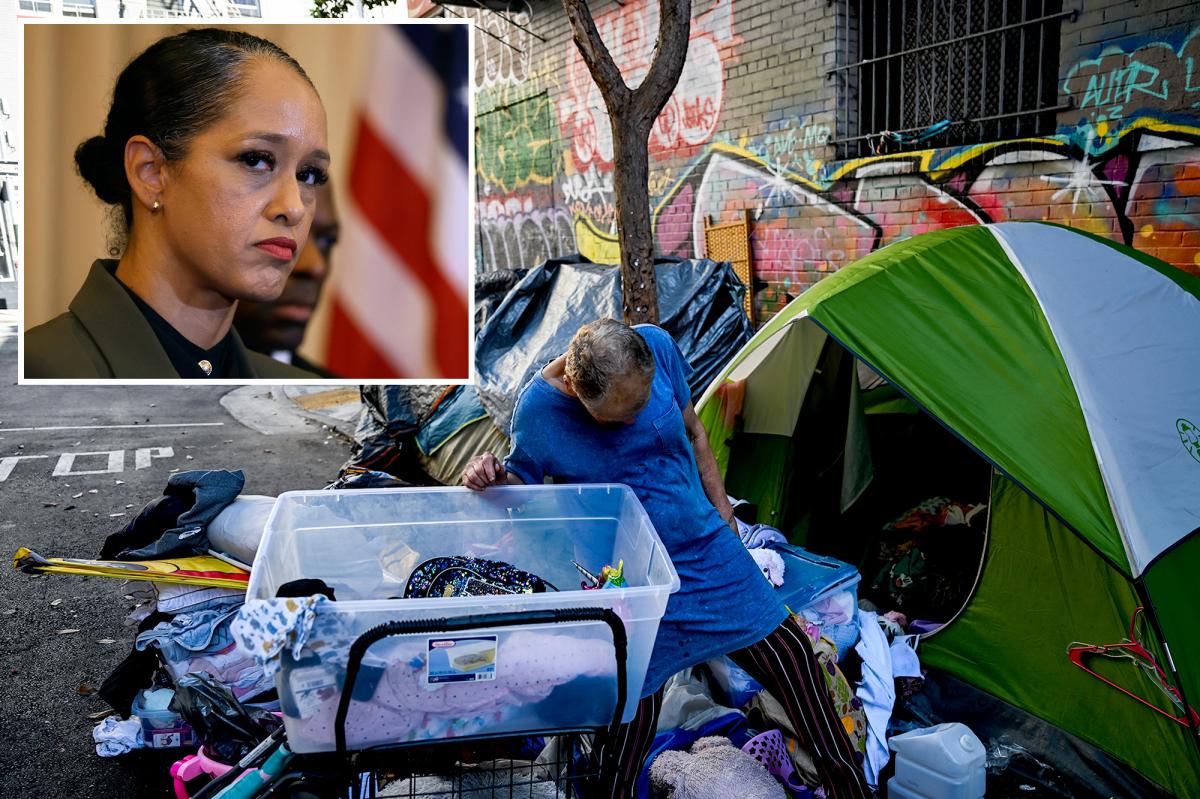
“It’s worse than I even knew,” said San Francisco District Attorney Brooke Jenkins, who believes the program is being abused by violent offenders.
Another shocking case that used the Drug Court to skip jail was for an attempted murder tied to a love-triangle.
In early 2025, Ariana Blea hid in the trunk of her love rival’s car before stabbing her, prosecutors said.
But Judge Begert allowed Blea into Drug Court, citing her anxiety disorder and substance use. Prosecutors have since tried multiple times to remove her from the program, arguing she continued to harass the victim and put her safety at risk.
And it’s not just attempted murder and armed robbery.
More serious cases have tried to get into Judge Begert’s soft-touch Drug Court, including a high-profile drunk driving hit-and-run case that killed two women on New Year’s Eve in 2020 and sparked widespread outrage in San Francisco.
The defendant, Troy McAlister, requested diversion, arguing that his methamphetamine use played a role in the crash. Begert faced intense public criticism and threats of a recall if he approved the request and ultimately refused to spare him jail through the mental health diversion program.
Mental health diversion once made up a small fraction of Drug Court approvals. But by 2025 it jumped to 91% of approved cases — up from just 12% in 2022, per court data.
A San Francisco deputy public defender argued the program has safeguards in place and blamed the uptick in Drug Court applications on prosecutors unfairly “over-charging” defendants.
The deputy public defender also said the city’s rampant drug use scene is responsible for the bump in applications.
“I think it’s a reflection of the reality on the ground,” she said.
Read the full article here