


Published on
Politics is about symbols and this time was no different.
A recent military designation has sparked a major diplomatic crisis between Warsaw and Kyiv. President Volodymyr Zelenskyy named an elite special operations unit after “UPA Heroes” to honour their modern battlefield performance. In response, Polish President Karol Nawrocki announced intentions to strip Zelenskyy of Poland’s highest state award, the Order of the White Eagle.
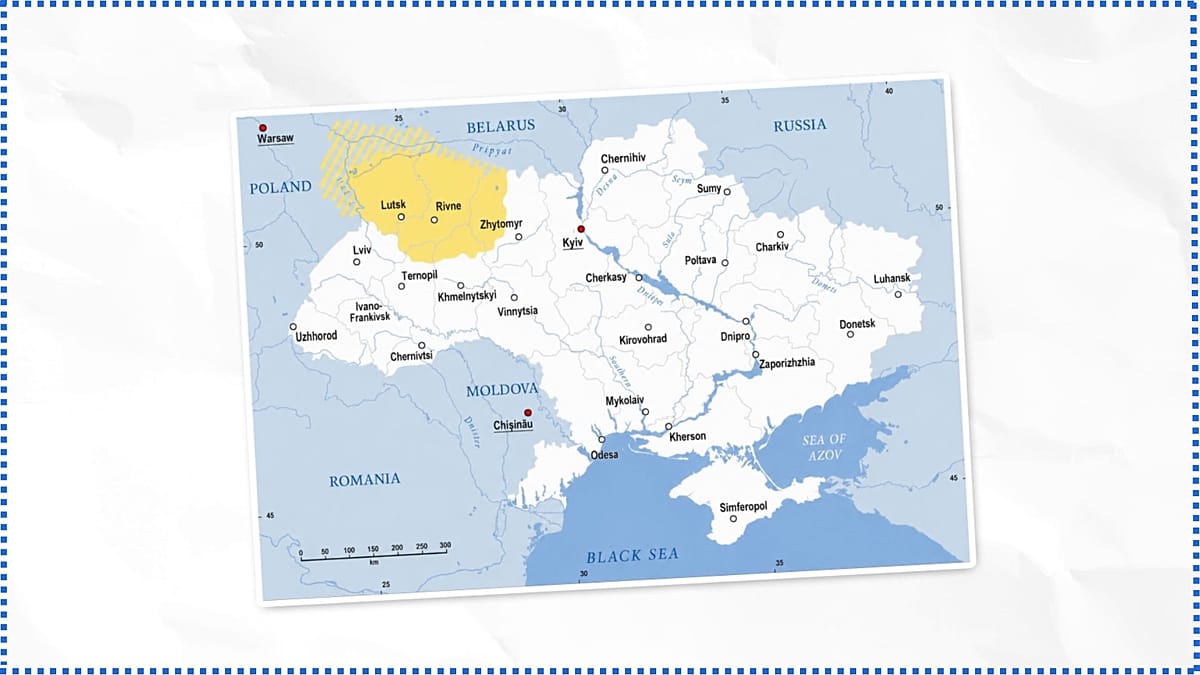
For Poland, the UPA, or the Ukrainian Insurgent Army, is responsible for a campaign of genocidal ethnic cleansing in the 1940s that resulted in the deaths of an estimated 100,000 Polish civilians in Volhynia (known as Volyn in Ukrainian and Wołyń in Polish), a historic region with deep Polish and Ukrainian roots. This violence also systematically targeted Jewish survivors who had escaped the Holocaust.
Conversely, for Ukraine, the UPA is remembered as a symbol of anti-Soviet resistance and a heroic struggle for independence. And as Ukraine defends itself against the full-scale Russian invasion, this legacy of resistance is viewed as a vital tool for public resilience.
Ukrainian officials emphasise that the designation was a grassroots request from front-line soldiers with no anti-Polish intentions. However, Polish leaders maintain that the memory of the victims is entirely non-negotiable.
The strategic risks of this trust crisis are exceptionally high with some in Warsaw calling for blocking Ukraine’s EU accession over the scandal. Public solidarity is also facing pressure as this unresolved dispute risks breaking the bond between both nations.
Addressing the tension, Polish Prime Minister Donald Tusk noted that both nations must prevent historical emotions from destroying their solidarity. A prolonged conflict, Tusk warned, ultimately only serves the strategic interests of Moscow.
Politics is about symbols but this time it could be different.
Because history shows that even the deepest historical wounds can be managed through active cooperation, a precedent clearly seen in the journey of Polish-German reconciliation.
The UPA will always remain a deeply divisive symbol. Yet the shared security of both nations today depends on managing this historical pain together, rather than allowing the past to shatter their alliance.
Watch the Euronews video in the player above for the full story.
Read the full article here