


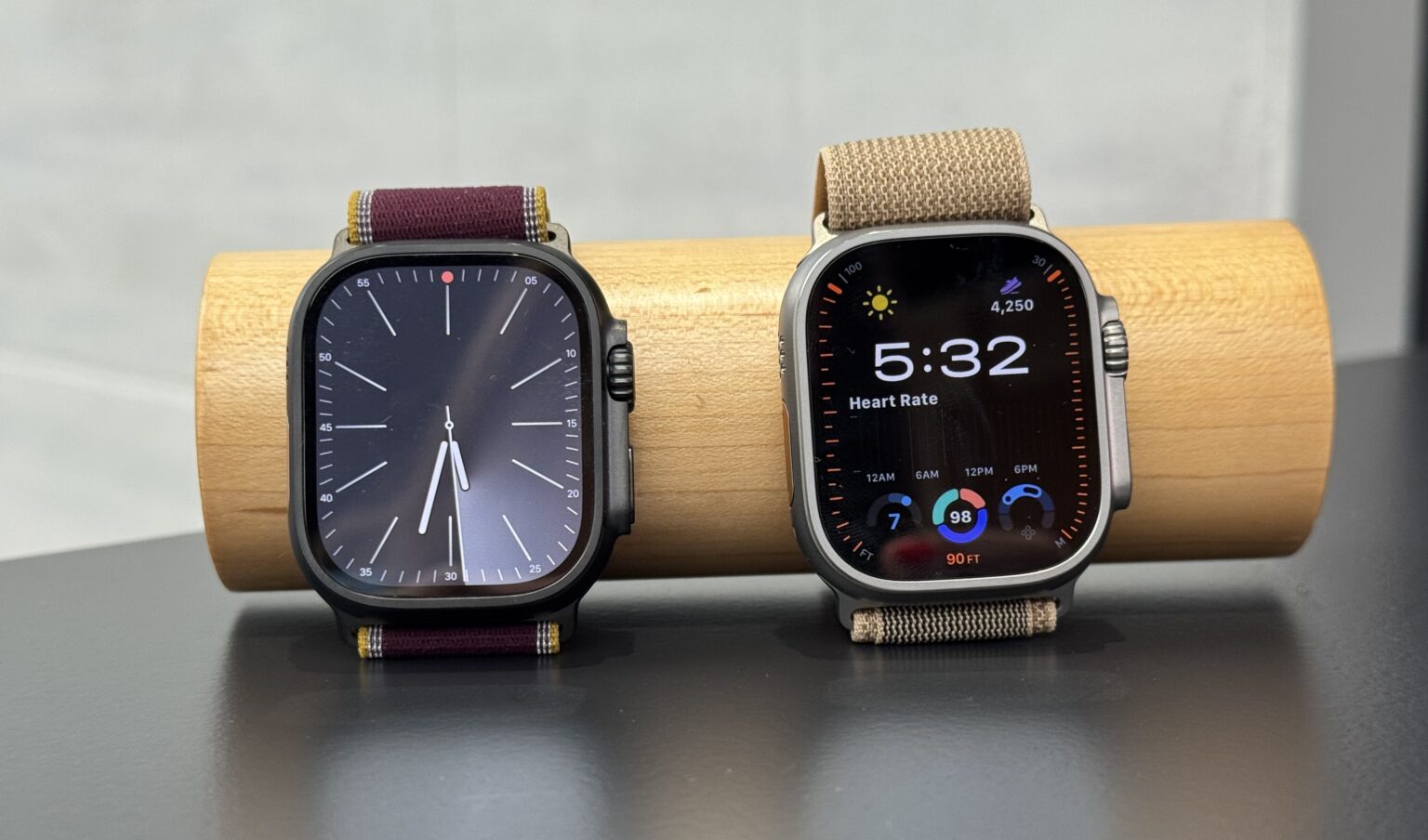
The Apple Watch Ultra 4, which starts at $799, has a new processor and reengineered health sensors that unlock more frequent health measurements, new recovery insights and AI-powered audio tools.
I got to test the Apple Watch Ultra 4 to see some of these new features in action in a demo room at the Steve Jobs Theater after the company’s Surprise and Shine event on Wednesday.
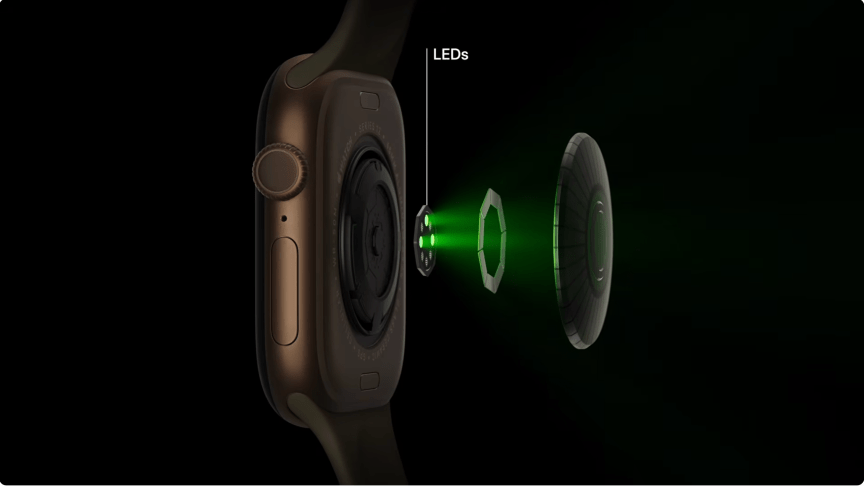
At first glance, the Ultra 4 looked and felt very familiar. But when I flipped it over, the difference was obvious. Compared with the sensor array on my Ultra 3, the back of the Ultra 4 looks almost flower-like, with 32 electrodes resembling the thin petals of a gerbera daisy replacing the previous ring of two. That gives the electrodes more surface area to capture ECG readings. Apple also rearranged the green and infrared LEDs into a new, smaller circular cluster in the middle of the petals with smaller dots.
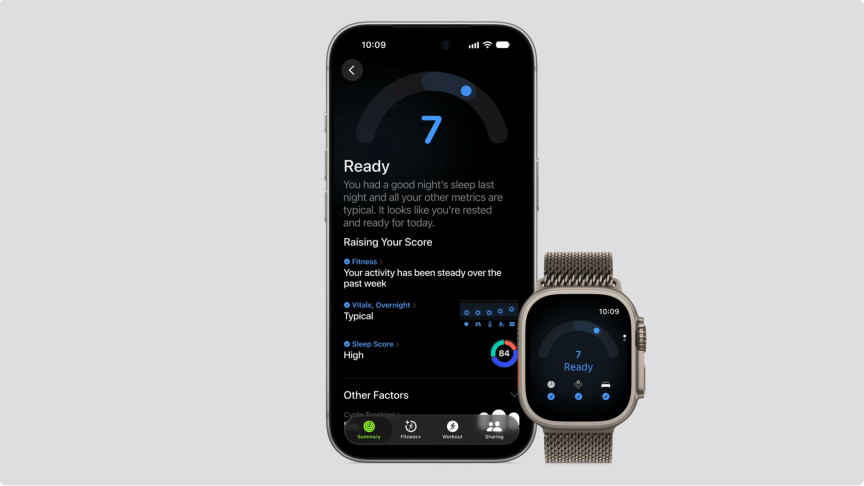
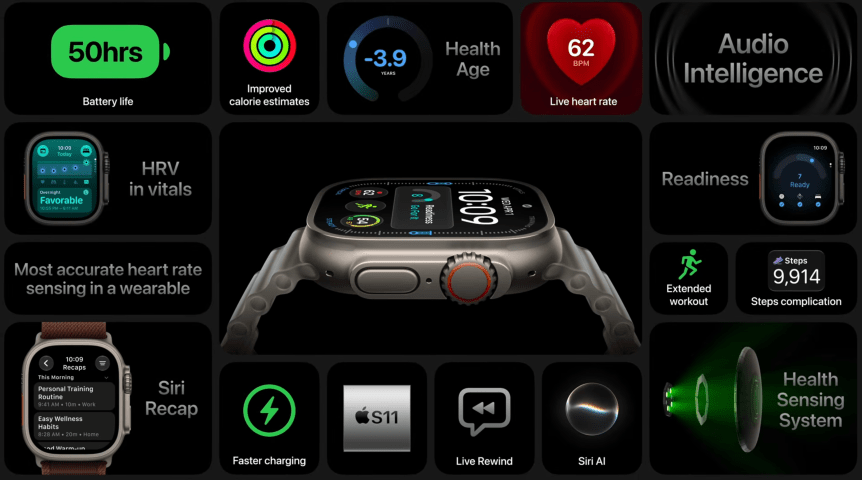
Those redesigned sensors, combined with the new S11 processor, allow the Ultra 4 to take heart-rate readings every 5 seconds, compared with roughly every 5 minutes on previous models. The same goes for heart-rate variability, or HRV, which the watch can now measure every 5 minutes instead of just a few times throughout the day. Apple says the increased sampling frequency makes it the most accurate wearable on the market. It also powers a new Readiness score, a measure of how well your body is recovering from exercise during the day.
Unlike many wearables that give you a recovery or readiness score based largely on what happened overnight, Apple’s score changes throughout the day. Because the Ultra 4 samples heart rate and HRV more frequently, Readiness can react in real time as you drain or recharge your body.
I also found a new Daytime toggle in the Vitals app on the watch that lets you view daytime heart rate and HRV alongside the overnight measurements already available in Vitals, like temperature and SpO2. Both features require seven days of data to unlock, so I’ll need at least a week to test them and see whether they align with how I’m feeling, which has often been at odds with what I’ve seen on other devices.
The Apple Watch Ultra 4 and Series 12 are available for preorder and will arrive on Sept. 18.
 Apple/Screenshot by CNET
Your Apple Watch is listening, but not recording
The Ultra 4 and Series 12 also gained new Audio Intelligence features, including one called Live Rewind that lets you jump back and hear the previous 15 seconds of a conversation with just a press of the digital crown. During my live demo, the transcription was spot-on, despite the noisy environment.
The other AI audio feature is Siri Recap, which lets the watch actively listen and detect conversations throughout the day (or at set times) to generate high-level notes and summaries from meetings or other conversations you may want to revisit. You can trigger a recap manually or schedule one ahead of time.
Apple says it designed the features so audio isn’t stored and instead only keeps the transcripts you save, which only you can access.
Read more: I Ran 30 Miles With 5 Smartwatches. Here’s the One You Can Actually Trust
S11 chip absorbs background tasks
The S11 chip is a big part of how the watch pulls this all off without destroying its battery life. It has a dedicated always-on processor that handles background tasks such as heart-rate monitoring and audio processing without constantly waking the main processor.
 Apple/Screenshot by CNET
Battery life remains one of the biggest reasons to choose an Ultra over the flagship Series 12. Apple also slightly increased the battery capacity this year, bringing the estimated battery life to roughly 50 hours, up from 42 hours on the Ultra 3.
That’s still nowhere near the weeks of battery life you can get from some Garmin watches. But Apple seems to be making a different trade-off that favors accuracy (via more frequent reads) over saving on battery life.
Battery trade-offs for endurance athletes
For endurance athletes, though, the more interesting upgrade is its battery life during workouts.
The Ultra 4 now has two sports-specific low-battery modes meant to keep it tracking for much longer without sacrificing core fitness metrics.
- Extended Workout mode: Can track a workout for up to 25 hours by turning off the always-on display and running-form metrics, while keeping GPS and heart-rate tracking at full fidelity.
- Max Extended Workout mode: Pushes tracking to as long as 48 hours. GPS still records at 1-second intervals, although it drops from multiband to single-band GPS and heart rate shows a rolling 5-minute average instead of the live metric. The mode also disables custom workouts, alerts and splits, along with certain other metrics.
Apple is essentially letting athletes choose which compromises they’re willing to make depending on how long they need the watch to last.
My take
The 49mm screen and rugged build are too bulky for me to use the Ultra as my everyday Apple Watch. But the new readiness features, better battery life and more accurate data collection make it tempting for endurance athletes and anyone upgrading from an older Ultra.
Rather than compete head-on with sports watches like Garmin or Coros, Apple is betting that athletes will trade some of that battery life for subscription-free data, high-accuracy tracking and a watch that can now make better use of all that data throughout the day.

See full bio
Read the full article here