


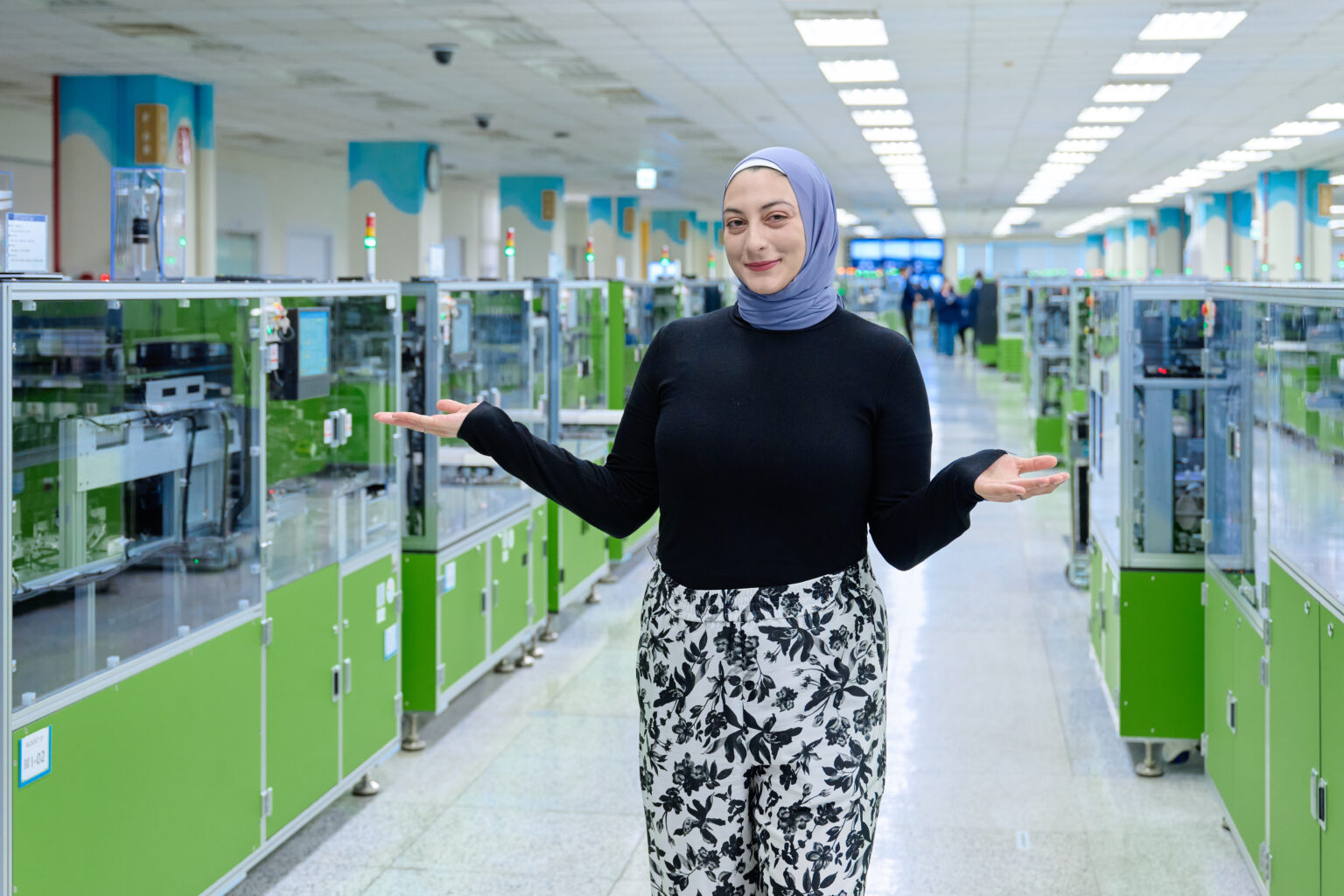
About 150 miles south of Seoul sits Samsung’s manufacturing facility in Gumi, where the company produces and stress tests many of its Galaxy smartphones, including its foldable devices.
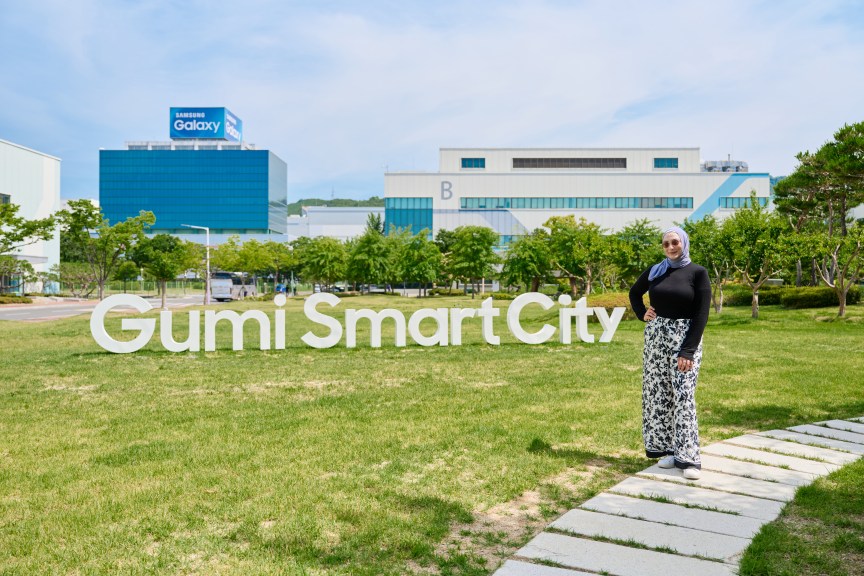
On a sweltering day in June, I made my way to the Korean production campus (in style via helicopter, I might add), which is dubbed Gumi Smart City. There, I got a behind-the-scenes look at how Samsung manufactures phones including the Galaxy S26, S26 Ultra and the brand-new Z Fold 8 Ultra. I saw the new foldable a month before its debut at Galaxy Unpacked in London, where Samsung also unveiled the Z Fold 8 and Z Flip 8.
The Gumi production plant has operated for nearly 40 years, and is one of around a dozen Samsung factories cranking out phones around the globe. Much of the Korean facility is automated, with robotic arms lifting phones, tightening screws and securing the new devices in their packaging.
I was struck by how quiet the vast, warehouse-like facility was and by how smoothly each phone progressed from one stage of the assembly line to the next. I was told the production floor’s lighting is usually dimmer because the robots don’t need to see, which helps save energy. But during my visit, the overhead lights illuminated each step of the process, offering a rare glimpse into how our handsets are made.

Here’s a look at Samsung’s manufacturing facility in Korea.
 Samsung
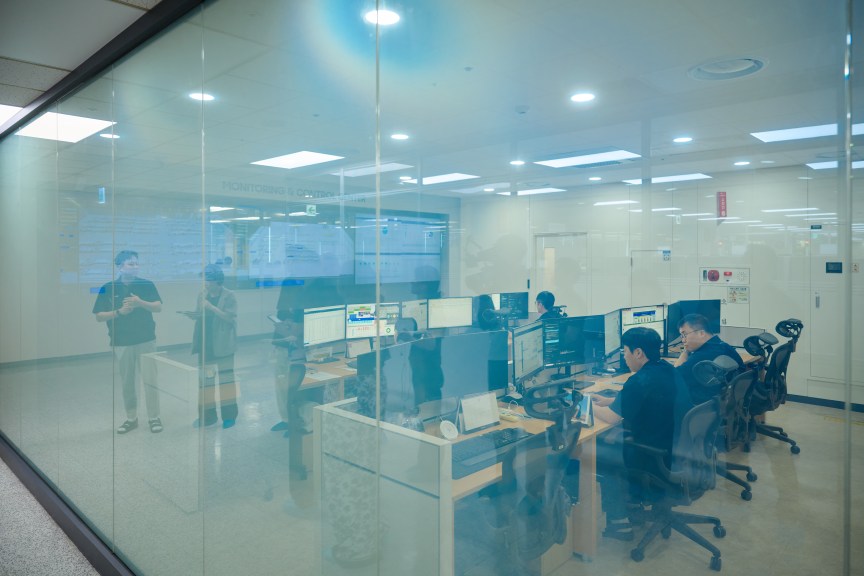
These folks sit in a control room near the production floor entrance, ensuring everything runs smoothly. This glass wall can become translucent or opaque with the push of a button.
 Samsung
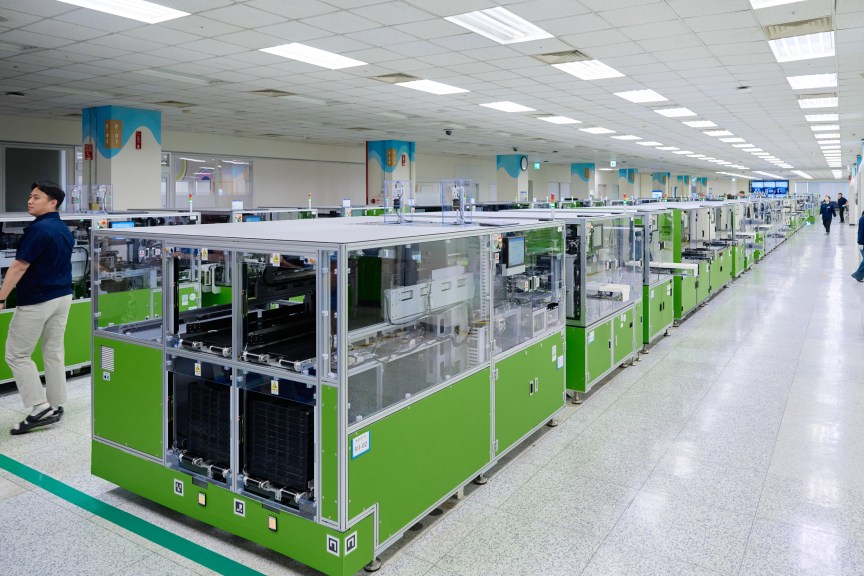
Walking onto the production floor, rows of boxy stations line the vast space. Most parts are automated, though a few people are stationed throughout to handle more complex tasks.
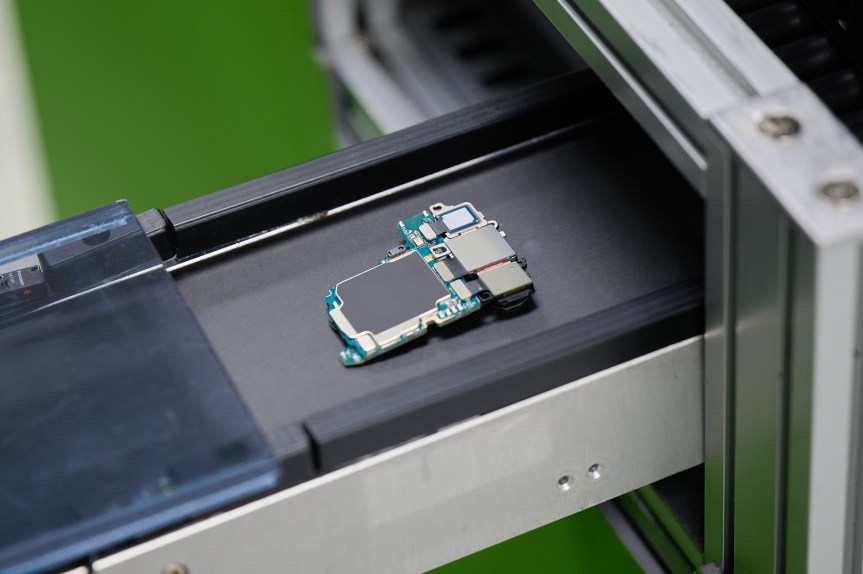 Samsung
First up on the production floor is the Galaxy S26. The phone’s camera is assembled in Vietnam and shipped to the Gumi manufacturing facility.
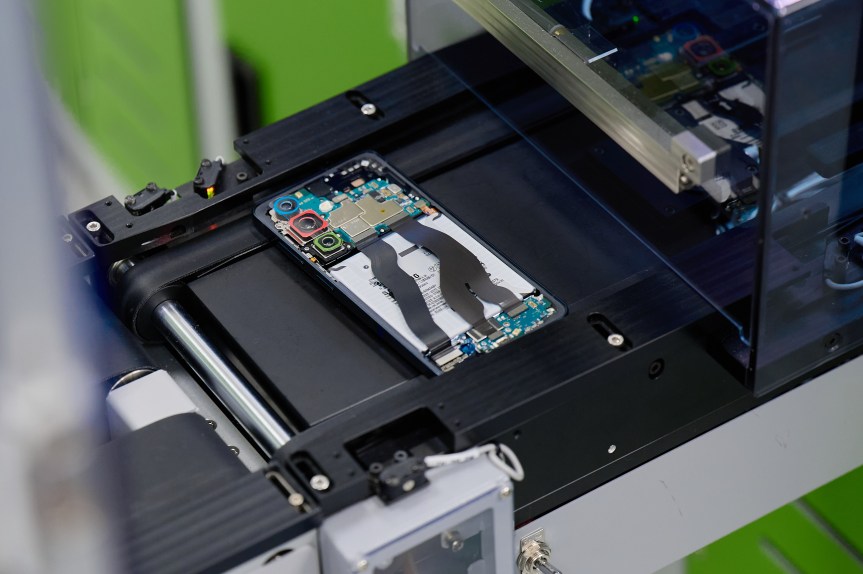 Samsung
Connecting the camera to the main board is one part of the assembly process that’s done by hand because it’s so difficult to automate.
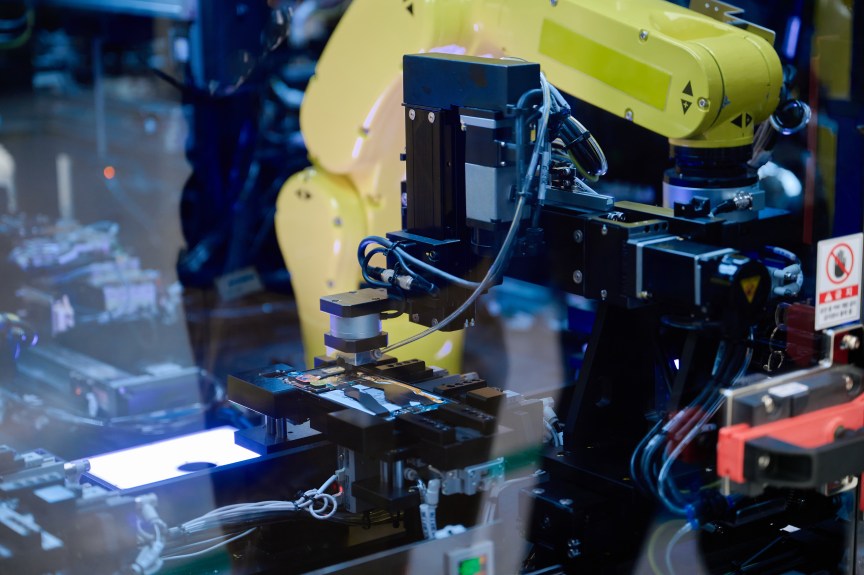 Samsung
Most steps in the production process are handled by these robotic arms. They can tighten screws, attach antennas and secure the phone’s back cover.
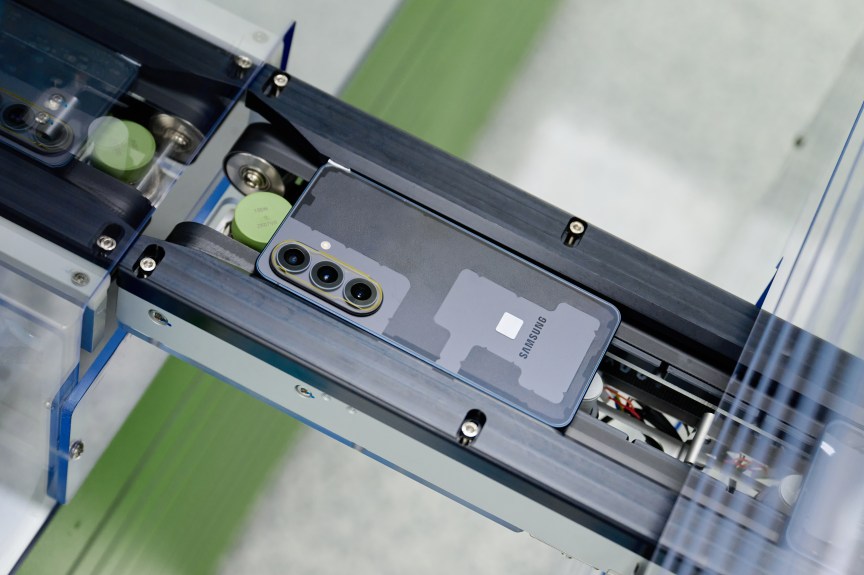 Samsung
Now that’s starting to look more like an S26!
 Samsung
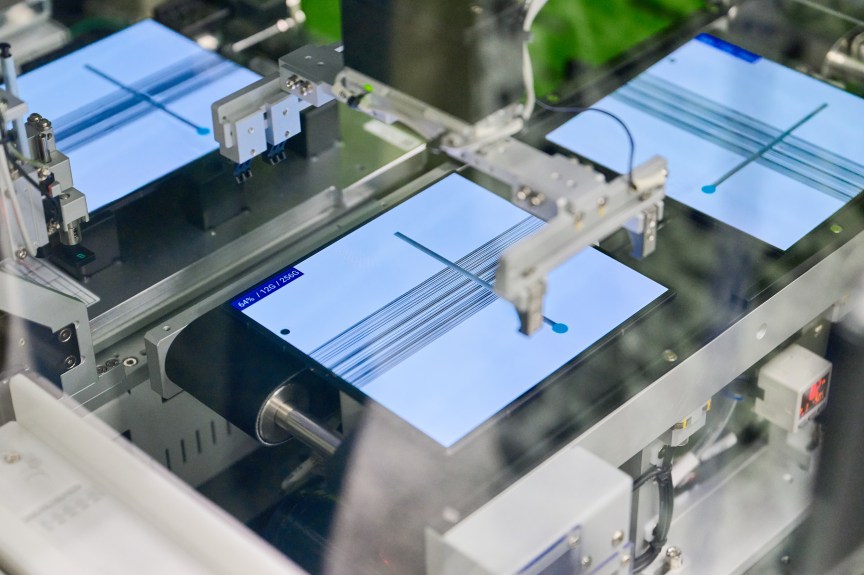
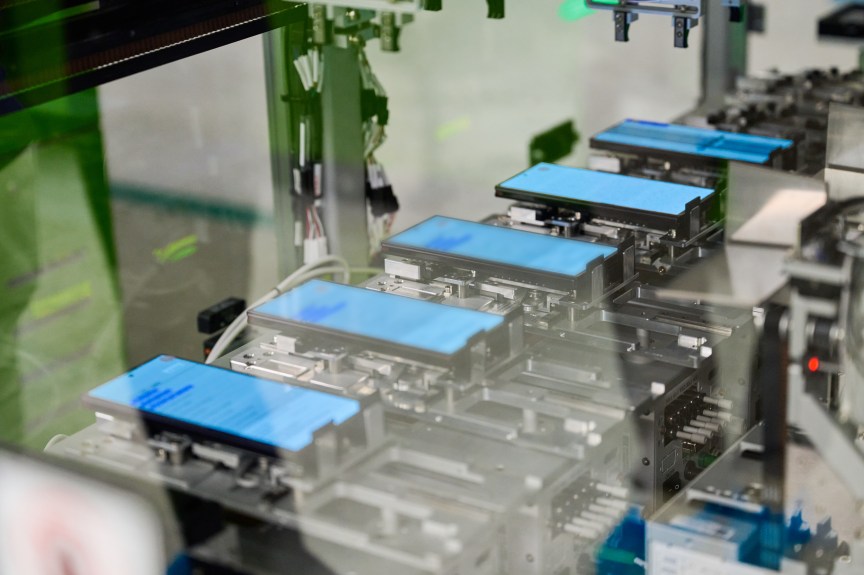
Further down the production line, the Galaxy Z Fold 8 Ultra is undergoing final checks before shipping.
 Samsung
I was among the first people outside of Samsung to see the Z Fold 8 Ultra in production. Final quality checks include turning the phone on and ensuring the speakers and other capabilities such as Wi-Fi and Bluetooth all work.
The machines measure the resolution of both the cover and main displays to ensure everything is good to go. It takes about half an hour to complete the full inspection process.
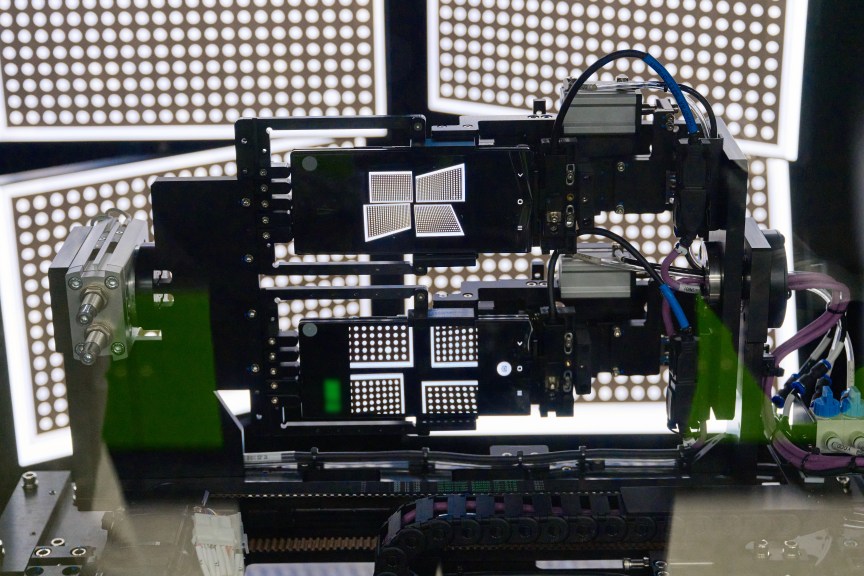 Samsung
The camera inspection includes analyzing saturation and checking if any dust made its way in during production. The zoom functions are also tested.
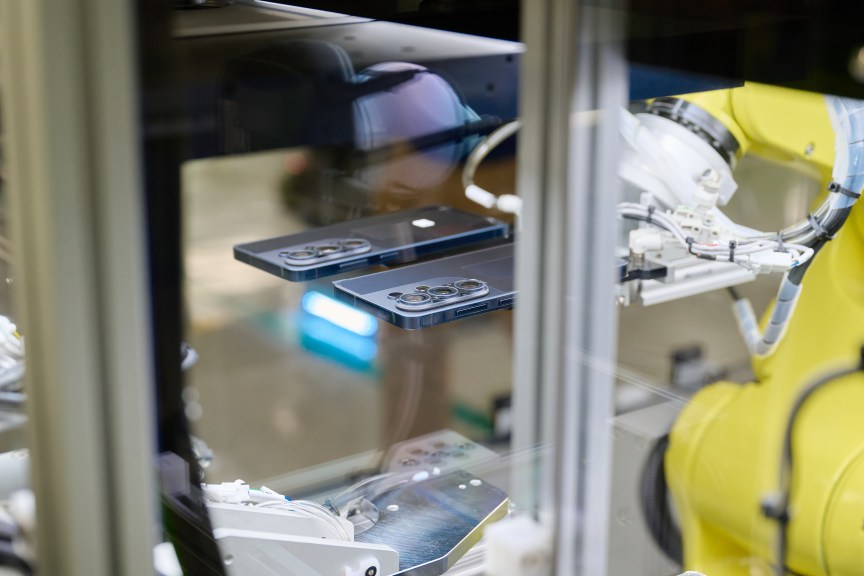 Samsung
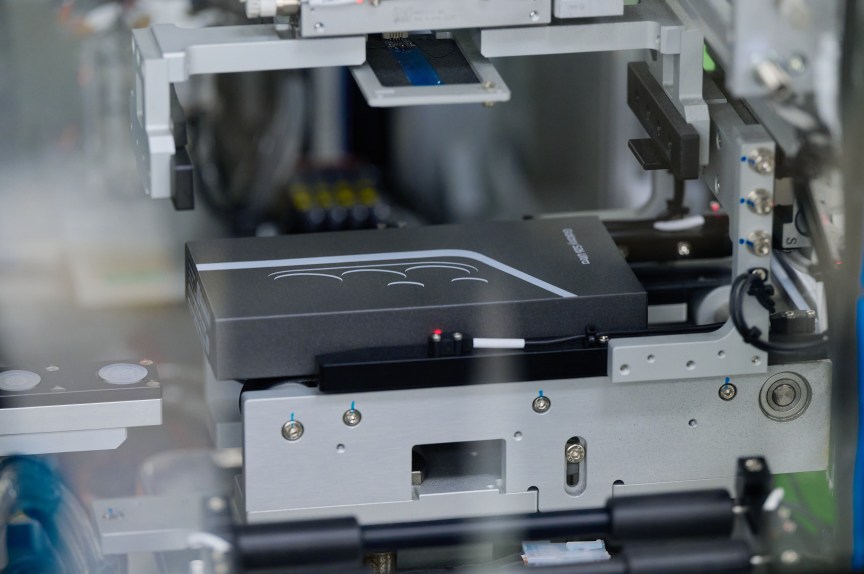
At the very end of the line, the Galaxy S26 Ultra is ready to be packaged. Before the phones get boxed up, a human does an exterior inspection.
 Samsung
A robotic arm lifts the lid of the box, drops the phone in and adds labels and seals.
 Samsung
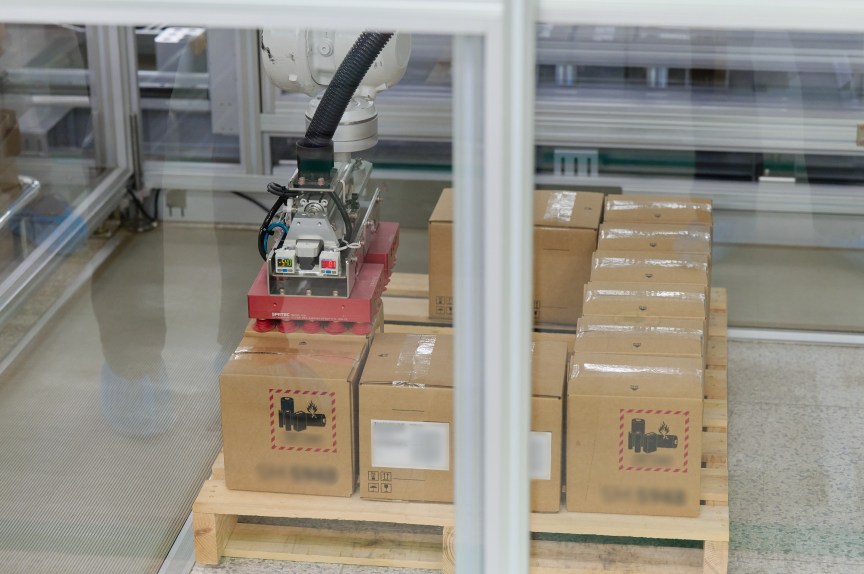
Cartons of phones are stacked on palettes — using a robotic arm, of course — and then shipped to sellers.
Samsung aims to make the plant fully autonomous, and based on what I saw, it doesn’t appear to be far from achieving that goal.

See full bio
Read the full article here