


An agreement on the 21st package of European Union sanctions against Russia remains mired in difficulty, with major political obstacles and the public threat of a Bulgarian veto shrinking the chances of securing unanimity.
Ambassadors met on Friday to discuss a revised text of the proposal tabled by the European Commission earlier this month. As expected, no consensus was found, and talks are set to continue – but the clock is ticking.
Brussels needs to have a deal by 15 July to avoid an automatic revision of the price cap on Russian seaborne oil, which is meant to be adjusted every six months to stay 15 percent below the average market price.
Since Urals soared in the aftermath of the closure of the Strait of Hormuz, the review is set to go upwards and grant Moscow economic relief. To avoid that scenario, the Commission has proposed keeping the cap at $44 per barrel until January 2027.
Ambassadors are considering either delaying the review or imposing a brand-new fixed cap, according to diplomats with knowledge of the process.
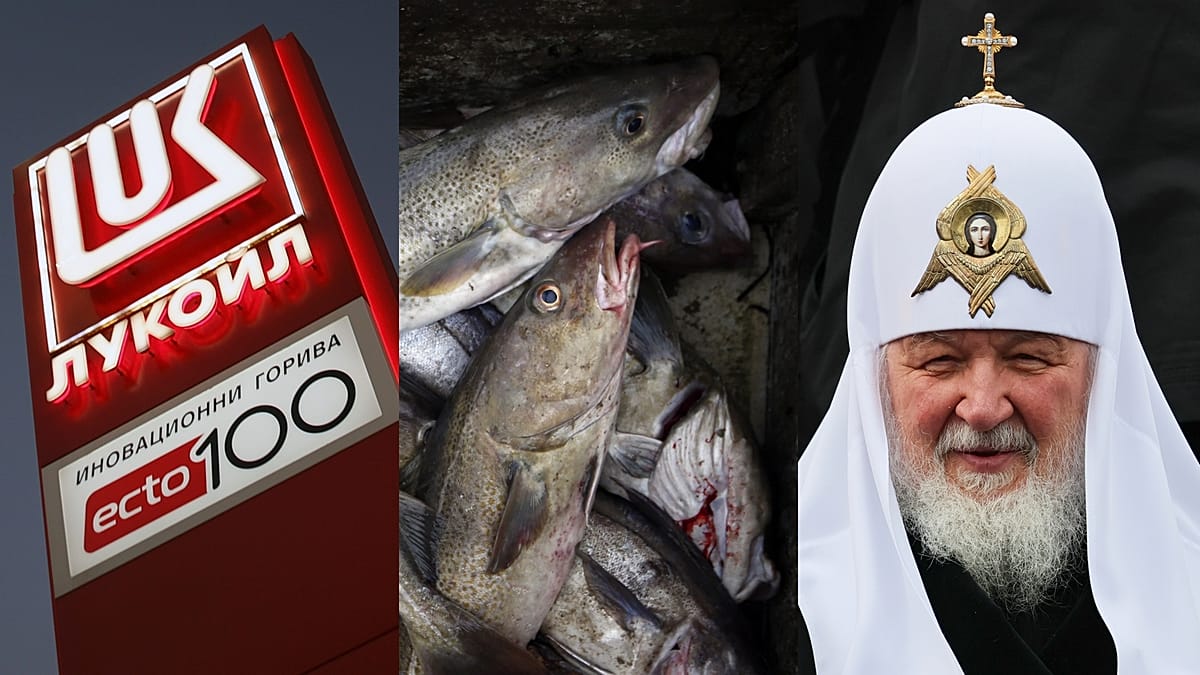
The ban on sales of LNG tankers has also raised questions, as have proposed restrictions on fish imports from Russia, which have so far been spared from sanctions. Several member states, such as Germany, France, Poland and the Netherlands, buy a considerable amount of Russian cod and pollack every year.
An initiative to deny entry to Russian soldiers who have taken part in the full-scale invasion of Ukraien is facing resistance from France and Italy.
A diplomat noted that the Commission’s original draft had already been “watered down” by derogations aimed at mitigating objections from different capitals.
Meanwhile, Bulgaria, under its new government, has emerged as a disruptive force.
Prime Minister Rumen Radev has publicly announced his opposition to sanctioning Patriarch Kirill, the head of Russia’s Orthodox Church, who has been accused of spreading revisionist propaganda to justify the war in Ukraine.
The proposed sanctions package would slap him with a travel ban and an asset freeze.
The EU first tried to blacklist Kirill in 2022. But Hungary, under then-prime minister Viktor Orbán, blocked the move, calling it an issue of religious freedom. The veto made headlines and caused outrage among member states.
The matter lay dormant until May, when the new Hungarian government signalled it is willing to target Kirill. The name was then included in the draft list – but now Radev has made it clear he wants it struck off.
The Bulgarian Orthodox Church and the Russian Orthodox Church are administratively independent, with different patriarchs, but belong to the Eastern Orthodox Church, share the same faith and dogma, and are bound by cultural and historical ties.
Another name that Radev wants left out is Vagit Alekperov, the billionaire founder of Lukoil, Russia’s major energy company. Alekperov stepped down as president in 2022 amid mounting international pressure but retained shares in the firm.
Radev argues that blacklisting Alekperov would amount to “shooting ourselves in the foot” because of a €3 billion compensation claim that Lukoil has reportedly launched against the state takeover of the Neftohim Burgas refinery.
Bulgaria appointed a special administrator to the sprawling plant in November 2025 after the US administration imposed crippling sanctions on Lukoil. The refinery, which generates billions in annual turnover, no longer uses Russian oil.
Radev has also raised concerns about the impact that the proposed sanctions could have on fertilisers and spare parts for the Sofia metro.
“We will not allow the sanctions package to pass in this form. We have a vote, and we will use it,” he said last week.
Given the number of difficult fronts, the negotiations are set to run into the Irish presidency of the EU Council, which takes the reins from Cyprus on 1 July.
During a press conference ahead of the presidency, Ambassador Aingeal O’Donoghue expressed confidence in meeting the 15 July deadline.
“As with all the packages, there is an exercise of listening to member states, trying to understand their real bottom line, and then seeing if it’s possible to come to compromises,” O’Donoghue said.
“Ultimately, these packages are sort of a balance.”
Read the full article here