


Published on
The EU’s digital chief has told Euronews that the much-debated concept of “technological sovereignty” means building capacity in critical sectors and reducing risky dependencies, not retreating from the world.
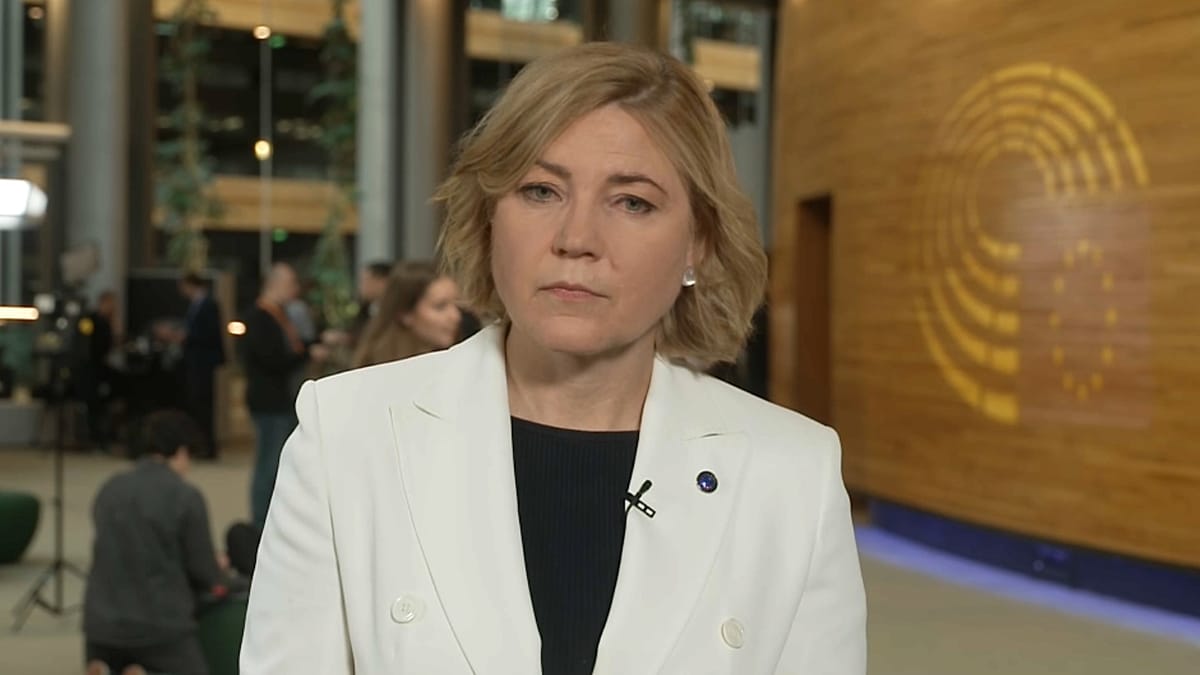
“Technological sovereignty doesn’t mean that we are planning to work somehow in isolation in the future,” said Henna Virkkunen, the European Commission’s Executive Vice-President for Technological Sovereignty, Security, and Democracy.
“It’s very important that we have a certain capacity in a critical field. And then we are also working, of course, with like-minded partners to make sure that we don’t have risky dependencies and we are not too dependent on one company or one solution,” she added.
The concept of tech sovereignty has proved divisive across EU member states and businesses, particularly the question of how open the bloc should be to foreign companies from allied countries such as the US and the UK.
For Virkkunen, the goal is not protectionism, but creating alternatives to critical chokepoints in vital supply chains, starting by redirecting public procurement contracts towards European vendors.
The Commission is working on legislative proposals to strengthen resilience in semiconductor supply chains and cloud services, aiming to make Europe more competitive in the global race to develop AI.
“The way we can boost our own European homegrown technologies is very much connected to public procurement, because governments and the public sector are very big customers for ICT services,” Virkkunen said.
Read the full article here